LPC Logo
  • Home
  • Classroom Courses
  • Online Courses
  • Services
  • Training Venues
  • About
  • Media
  • Contact Us
New Courses
HomeArticlesAgricultural Advantages Arising from Climate Change

Agricultural Advantages Arising from Climate Change

Climate change is often associated with agricultural challenges, but can it also create new opportunities? In certain regions, changing temperatures and rainfall may support longer growing seasons, new crops, and improved growing conditions, depending on local circumstances and adaptation.

Agricultural Advantages Arising from Climate Change
13/10/2026
Environmental & Agriculture

People are arguing about the benefits of climate change on agriculture, are they real or not! However, some climate change can create potential benefits for certain crops and regions, and some of them are approved.


Benefits of climate change on agriculture depend heavily on location, crop type, adaptation capacity, and the extent of climate change. Thus, understanding possible opportunities and limitations is vital to help working professionals make better plans and decisions.


Continue reading our article to learn how climate change benefits agriculture, potential benefits, related factors, limitations, and what environmental management skills will help you benefit from these potential advantages.


Can Climate Change Have Benefits for Agriculture?

Yes, but that depends on many factors. Climate change can benefit agriculture in some regions through longer growing seasons, reduced cold stress, and crop suitability under certain conditions. These potential agricultural advantages depend entirely on local temperatures, rainfall, soil, crop type, water availability, and farmers' skills and ability to adapt effectively to changing conditions.


What Are the Potential Benefits of Climate Change on Agriculture?

Potential advantages of climate change on agriculture include longer growing seasons, better crop growth, new agricultural opportunities, diversity, water availability, and fewer limitations.


  • Longer Growing Seasons:

In some regions, having warmer conditions can extend frost-free periods, allowing farmers more time for planting, crop development, and harvesting activities.


  • Increased Crop Growth from Higher CO₂ Levels:

The IPCC reports high confidence that elevated CO₂ stimulates photosynthesis and biomass accumulation in C3 crops and can improve water-use efficiency in various crops. However, higher temperatures and nutrient limitations can reduce these benefits.


  • New Agricultural Opportunities in Colder Regions:

Warming may make some colder regions more suitable for particular crops that were uncultivable. This actually expands potential growing areas and creates new agricultural opportunities.


  • Improved Water Availability in Some Areas:

Climate change may lead to changes in rainfall patterns, and this could lead to increased water availability in some areas, supporting rain-fed agriculture where soil, timing, and drainage are suitable.

In a changing climate, agricultural success belongs not to those who fight the shifts, but to those who master adaptation.

What Factors Determine Whether Climate Change Benefits Agriculture?

The benefits of climate change on agriculture are real, however, getting them is completely related to location, crop, soil, water, technology, and other practices.


  • Geographic Location:

This location factor determines whether changing temperatures and rainfall create better conditions or increase heat, drought, flooding, and other agricultural risks.


  • Crop Type:

Each crop type has its own necessities, including temperature, moisture, and growing requirements, so while climate changes can benefit some crops, it may also harm others.


  • Soil Conditions:

Soil fertility, structure, and moisture retention affect whether changing climate conditions can support healthy and productive crop growth effectively or not.


  • Water Availability:

Having quality water resources defines whether warmer conditions can support production, particularly since higher temperatures increase crop water requirements and evaporation rates.


  • Agricultural Technology:

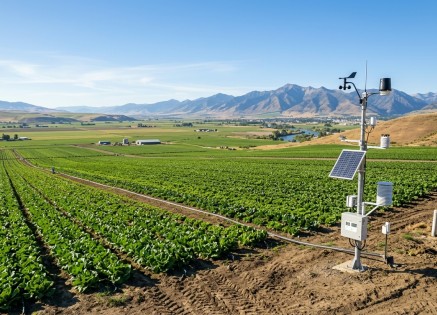
Modern agricultural technology, such as irrigation, precision agriculture, and climate monitoring, can help farmers respond more effectively to changing conditions and maximise the benefits of climate change on agriculture.


  • Adaptation and Management Practices:

Different adoption practices, including environmental management systems, planting adjustments, and crop diversification, are vital to help farmers seize opportunities while reducing risks.

environmental management courses

What Are the Limitations of Climate Change Benefits for Agriculture?

Professional environmental management courses online will help you understand all the related limitations of climate change benefits for agriculture.

  • Extreme heat can exceed crop thresholds, reducing growth and productivity.
  • Drought can limit water supplies, offsetting benefits from longer seasons.
  • Flooding can damage crops, erode soils, and disrupt agricultural operations.
  • Changing climates can expand pests, diseases, and pressures on crops.
  • Higher CO₂ does not benefit every crop equally under different conditions.
  • Limited nutrients can restrict growth responses to elevated atmospheric CO₂.

How Can Farmers Maximise Potential Agricultural Benefits from Climate Change?

Farmers with updated knowledge about environmental protection, climate change management, and modern techniques can increase the potential benefits of climate change on agriculture.

  • Select crop varieties based on projected temperatures, rainfall, and conditions.
  • Adjust planting and harvesting dates as seasons and rainfall shift.
  • Improve irrigation, drainage, and water management to manage water demands.
  • Use weather data to guide planting, irrigation, and harvesting decisions.
  • Diversify crops and varieties to spread climate risks and production.
  • Protect soil structure, fertility, and moisture through conservation management practices.


What Skills Are Needed for Climate-Adapted Agriculture?

Developing your skills with the right environmental management courses will help you master climate change management, get the best outcomes, and protect your crops. The main skills to consider learning are:

  • Climate risk assessment.
  • Agricultural adaptation planning.
  • Crop and soil management.
  • Water resource management.
  • Precision agriculture.
  • Agricultural technology.
  • Environmental sustainability.
  • Climate and weather data analysis.


Conclusion,

The benefits of climate change on agriculture could vary based on different factors. However, getting these benefits depends on farmers' knowledge and skills, and available resources and technologies.


Getting quality training from a professional center with accredited certifications, expert trainers, and hands-on experience will help you boost your career and value in the market.
Search

Related Courses

Next steps in your BIM journey

Agribusiness Management, Finance and Marketing

Agribusiness Management, Finance and Marketing

5 DaysClassroom
Business and Climate Change: Towards Net Zero Emissions

Business and Climate Change: Towards Net Zero Emissions

5 DaysClassroom
CSCS cards archaeology registration certificate

CSCS cards archaeology registration certificate

5 DaysClassroom

Related Articles

Next steps in your BIM journey

Unlocking the Benefits of Environmental Management Systems

Unlocking the Benefits of Environmental Management Systems

The Role of Agriculture in Climate Change Mitigation

The Role of Agriculture in Climate Change Mitigation

Why the Environmental Protection Act Matters for Our Future

Why the Environmental Protection Act Matters for Our Future

Frequently Asked Questions

Logo

Empowering professionals through world-class training and development.

LinkedInFacebookXInstagram

Company

  • About Us
  • Our Trainers
  • Contact Us
  • Become an Instructor
  • Careers

Training

  • Classroom Courses
  • Online Courses
  • Training Venues
  • Course Categories
  • New Courses

Support

  • Contact Us
  • Privacy Policy
  • Terms & Conditions
  • Sitemap
  • Vacancies

Resources

  • Blog
  • FAQs
  • Gallery
  • Testimonials
  • News

Head Office

14 Cambridge Court, 210 Shepherds Bush Road, London W6 7NJ, United Kingdom
+44 (0) 20 3835 8530
info@lpcentre.com

Stay Connected

Subscribe to our newsletter

This site is protected by reCAPTCHA and the Google Privacy Policy and Terms of Service apply.

London Premier Centre for Training Ltd Registered in England and Wales, Company Number: 13694538

DMCA
version: 3.0.1

© 2026 London Premier Centre. All rights reserved.