Why Is the Difference Between Civil Engineering and Construction Management Important for Your Career?
Navigating the difference between civil engineering and construction management helps professionals align their strengths with the right career path. If you enjoy conceptual problem-solving, mathematics, and regulatory planning, civil engineering offers a rewarding focus on initial project phases. If you thrive in dynamic environments requiring real-time decision-making, team leadership, and budget control, construction management and execution may suit you better.
When planning your professional progression, evaluating key career factors helps clarify the difference between civil engineer and construction engineer roles:
Civil engineers spend significant time in office settings producing blueprints and reports, with periodic site visits. Construction engineers spend a higher percentage of their time directly on job sites overseeing daily build operations.
Civil roles demand advanced structural mathematics, fluid dynamics knowledge, and regulatory compliance expertise. Construction roles prioritize logistics control, risk mitigation, labor coordination, and financial tracking.
- Education and Upskilling:
Both paths benefit from structured professional development. Enrolling in civil & construction online courses allows working professionals to master theoretical design principles or modern project leadership tools alongside their practical work.

What Is the Structural Difference Between Construction Engineering and Civil Engineering in Project Lifecycle Management?
Examining the project lifecycle highlights the functional difference between construction engineering and civil engineering. Projects move through distinct phases—from initial feasibility and structural blueprint design to active site execution and final handover.
Understanding this lifecycle separation clarifies how both roles collaborate:
- Conceptualization & Design:
Civil engineers take the lead by conducting site surveys, evaluating soil conditions, and designing structural frameworks for infrastructure projects like bridges or roads.
- Pre-Construction Planning:
As designs near completion, the focus shifts toward asking: how do we optimize site safety, procurement, and labor delivery alongside construction management? Construction engineers step in to convert design intent into buildable execution schedules.
- Execution & Quality Assurance:
During active building, construction engineers manage site logistics, direct labor teams, and ensure safety parameters are strictly maintained.
- Continuous Professional Growth:
Engineers looking to transition into senior management across both disciplines frequently explore Civil Engineering Courses London to deepen their technical design oversight or operational project leadership abilities.
How Do Educational Paths and Certification Requirements Differ?
Academic requirements highlight another difference between civil engineering and construction pathways. Civil engineering degree programs focus heavily on advanced physics, statics, mechanics of materials, and hydraulic systems, preparing graduates for professional licensure exams focused on technical design calculations.
Construction engineering programs combine core engineering principles with business management, accounting, contract law, and safety regulation.
Civil curricula focus on analytical calculations, environmental engineering, and structural integrity. Construction curricula focus on project planning, equipment management, estimating, and site leadership.
Civil engineers often pursue Professional Engineer (PE) licensure to sign off on structural drawings. Construction specialists may pursue PE status or project management credentials to validate their operational expertise.
Professional workshops and civil & construction management training courses in london provide specialized training in contract administration, building information modeling (BIM), and sustainable construction methodologies.
How Do These Roles Collaborate on Major Infrastructure Projects?
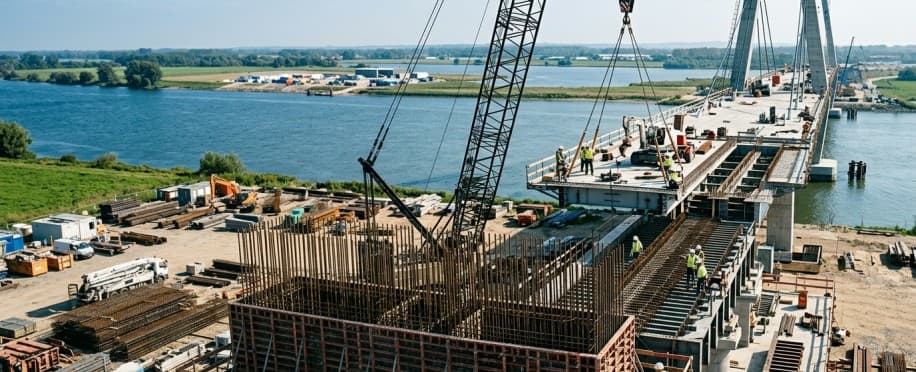
Recognizing the difference between civil and construction engineering does not mean the roles operate in isolation. In fact, major infrastructure projects—such as highways, water treatment systems, and bridges—require close alignment between both disciplines to succeed.
Understanding the difference between construction management and civil engineering ensures seamless execution across all phases:
- Design Verification: Civil engineers produce specifications, while construction engineers review those plans to ensure constructability on the physical site.
- Real-Time Problem Solving: When site conditions reveal unforeseen obstacles, construction engineers collaborate with civil engineers to modify designs without compromising structural safety.
- Project Delivery: Both disciplines work toward a shared goal: delivering durable, safe, and cost-effective infrastructure that meets public and environmental standards.
Understanding the core difference between construction and civil engineering helps you choose the career path that best matches your professional strengths—whether you aim to design structural solutions or direct site operations.
Ultimately,
Understanding the core difference between civil and construction engineering is the first step toward building a successful and sustainable career in the infrastructure sector. Whether you choose to focus on structural design and technical analysis or prefer managing site operations and project delivery, both disciplines serve as essential pillars of major developments. Continuous investment in your technical and management skills ensures you stay ahead in this evolving industry, navigating modern technological shifts with clarity and confidence.