The Escalating Iran Conflict & Its Global Shockwaves on Energy Markets
The Escalating Iran Conflict & Its Global Shockwaves on Energy Markets
04/03/2026
Oil and Gas
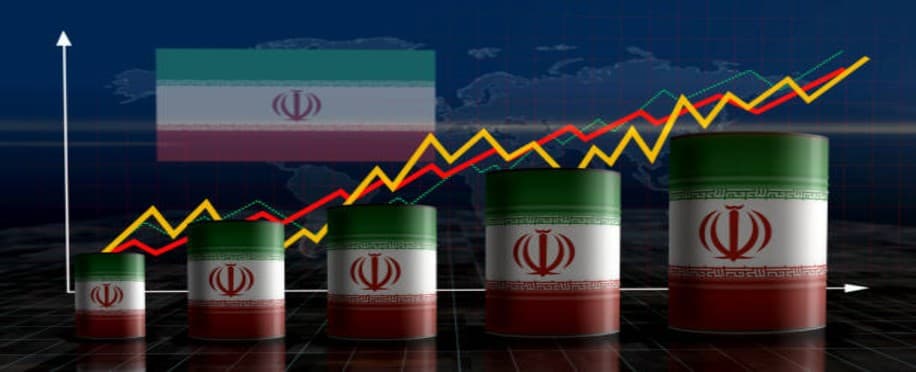
Global energy markets have experienced a dramatic upheaval as a result of the intensifying conflict between Iran, the US, and Israel, highlighting the vulnerability of the world's reliance on Middle Eastern gas and oil.
Surprisingly, oil and gas prices have increased sharply due to escalating tensions in the Middle East, particularly as Iran threatens maritime traffic and initiates strikes throughout the region.
These actions have led to a near halt of shipping through the strategically important Strait of Hormuz, raising fears of prolonged economic disruption on a global scale.
The Strait's Impact on Global Energy Supply
The Strait of Hormuz, a small but crucial waterway that carries about 20% of the world's gas and oil, is at the heart of the crisis. At least 150 tankers have been anchored in nearby waters as a result of Iran's threats that it “would burn any ship” attempting to pass.
“Because of Iran's threats, the strait is effectively closed,” Kpler's Homayoun Falakshahi stated, underscoring the severity of the scenario. This paralysis has been exacerbated by direct attacks on vessels, including several tankers hit by drones or missiles, causing casualties and widespread concern among shipping companies and insurers.
Likewise, there have been immediate and extensive repercussions. While European petrol prices rose by almost 50% in a single day, Brent crude momentarily surged above $82 per barrel.
Stock Market Winners & Losers: Consequences by Sector
QatarEnergy, a state-owned company, announced that it had halted production of liquefied natural gas (LNG) after the Ministry of Defence (MoD) reported that an Iranian drone had targeted a facility in Ras Laffan Industrial City. A blow that pushed European gas prices to their highest levels since the beginning of the Ukraine war.
The financial markets have reacted with volatility. Major European indexes, including the FTSE 100, CAC 40, and DAX, all fell sharply as investors considered the inflationary risks of continued energy price increases.
Remarkably, banks and airlines were among the hardest hit, reflecting concerns that rising fuel costs would reduce profits and slow economic recovery. Meanwhile, oil and defence companies' shares rose, boosted by rising energy prices and increased geopolitical tensions.
The economic implications go well beyond the energy sector. Analysts warn that if oil prices rise to $100 per barrel—a scenario that is becoming increasingly likely—global inflation may accelerate, forcing central banks to postpone or reverse planned interest rate cuts.
Vulnerabilities in Global Supply Chains Exposed
Chief economist at Sarasin & Partners, Subitha Subramaniam, warns that sustained high oil prices could lead to increased costs in food, agriculture, and industrial commodities, which would drive inflation higher. In the UK, however, inflation is easing, prompting the Bank of England to reduce interest rates.
Besides, the crisis has revealed vulnerabilities in global supply chains. With shipping rerouted around the Cape of Good Hope, delivery times have increased while freight costs have risen.
Insurance premiums for vessels entering the Gulf have reached six-year highs, and some carriers have completely exited the region. According to David Warrick, executive vice president of supply chain platform Overhaul, “This is prime time for sourcing raw materials and planning for holidays…and any disruption at this time is not really good for supply chains.”
Furthermore, while energy-producing countries such as the United States may benefit from higher prices, the global economy faces growing risks. The longer the conflict lasts, the greater the likelihood of long-term price shocks, supply shortages, and inflationary pressures.
Overall, what began as a regional conflict has quickly escalated into a global economic threat, highlighting the world's continued reliance on a volatile region and the delicate balance that maintains energy market stability.
Read more news:
- London Premier Centre Participates in the Headteacher Wellbeing Conference
- China Overtakes the United States to Become Germany's Largest Commercial Partner
- London Premier Centre Expands to Italy: Milan Venue Now Live on Our Website