Oil is on Track for a Record Monthly Jump as the Iran War Disturbs Markets
Oil is on Track for a Record Monthly Jump as the Iran War Disturbs Markets

30/03/2026
Oil and Gas
As the Iran war disrupts supply routes and undermines investor sentiment, global energy markets have experienced one of their most volatile months in decades, with Brent crude on course for its biggest monthly rise on record.
Since the beginning of March, the international benchmark has increased by 51%, breaking the previous high set in 1990 during the first Gulf War.
After briefly reaching $119.50, its highest level since mid-2022, due to Iran's near shutdown of the Strait of Hormuz, a crucial route for 20% of the world's oil and gas exports, Brent closed Friday at $112.57 a barrel.
Gulf Conflict Increases Oil Volatility
West Texas Intermediate echoed the rally, climbing 48% and on track for its best month since the early pandemic shock of 2020.
This dramatic escalation occurred despite the release of 400 million barrels from emergency reserves, which was insufficient to offset the 9 million barrels per day withdrawn from global supplies due to the conflict.
Moreover, the geopolitical situation worsened over the weekend, with Tehran warning against any US ground invasion, despite President Donald Trump's insistence that conversations were ongoing. Iran's parliament speaker stated that the country's soldiers were “waiting” for American troops, while Yemen's Iran-aligned Houthi rebels vowed to seal the Bab al Mandab Strait, another crucial chokepoint for world trade.
Further, foreign ministers from Pakistan, Saudi Arabia, Egypt, and Turkey convened to accelerate diplomatic efforts, with Pakistan's foreign minister describing the negotiations as “very productive.” He announced Islamabad's intention to facilitate upcoming talks between Washington and Tehran.
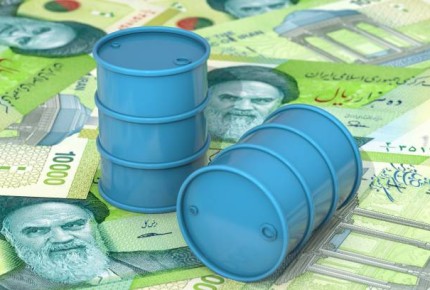
Global Economic Pressure & Rising Consumer Costs
Fuel costs have already skyrocketed due to the fighting, which has caused the biggest oil disruption in modern history. The average price of petrol in the US is already $3.98 per gallon, and experts caution that smaller, import-dependent economies, especially those in Asia, may suffer the most.
Notably, Bob McNally, president of Rapidan Energy, said that in the worst situation, only a recession might stop price increases by eliminating demand.
Analysts caution that even after the crisis is over, fuel prices may remain high for a while as it will take time to reopen the Strait of Hormuz and repair damaged infrastructure, particularly Qatar's Ras Laffan gas production facility, impacted in mid-March.
Safe Havens Fail as Markets Slide
The financial markets experienced shockwaves, particularly highlighted by a significant collapse in gold prices, which fell about 15% in March—the worst monthly drop since 2008 and the fifth worst in 50 years. This decline was driven by forced selling to meet margin calls and a $3 billion bullion sale by Turkey's central bank.
Additionally, equity markets struggled. The Dow Jones Industrial Average fell into correction territory, more than 10% below its previous top, and stock futures pointed lower again on Sunday. Britain's FTSE 100 plummeted more than 8% in March, wiping out virtually all of its gains from earlier in the year and plunging below 10,000 points.
Rising Yields Signal Pressure on Growth
Government bond markets fell dramatically as speculators abandoned prospects of near-term interest rate decreases. UK 10-year gilt rates rose 17% to nearly 5%, the sharpest monthly increase since the upheaval following the 2022 mini budget. Italian two-year bonds were likewise poised for their worst month since 2018.
Economists warn that European governments, operating from worse fiscal situations than during the previous energy crisis, have little room for intervention.
Consequently, more of the adjustment is likely to fall on demand, casting doubt on the region's growth prospects as the global economy approaches April under unprecedented energy disruption and increased geopolitical risk.