As Stockpiles Fall Due to the Iran War, the World's Oil Supply Is at Risk
Global Oil Supplies Face Growing Pressure
14/08/2026
Oil and Gas
The International Energy Agency predicted yesterday, Wednesday, that the world's oil supply will decrease by 4.3 million barrels per day, or around 4%, this year due to disruptions from the ongoing battles in the Middle East, further deepening the world's oil market deficit.
The U.S.-Iran ceasefire collapsed last month shortly after a memorandum was signed to end the war.
Since then, attacks on tankers in the Strait of Hormuz have resumed, and Yemen's Iran-aligned Houthi rebels have intensified their assaults in the Red Sea.
Tightening Global Supply & Falling SPR Propel Oil Prices Up
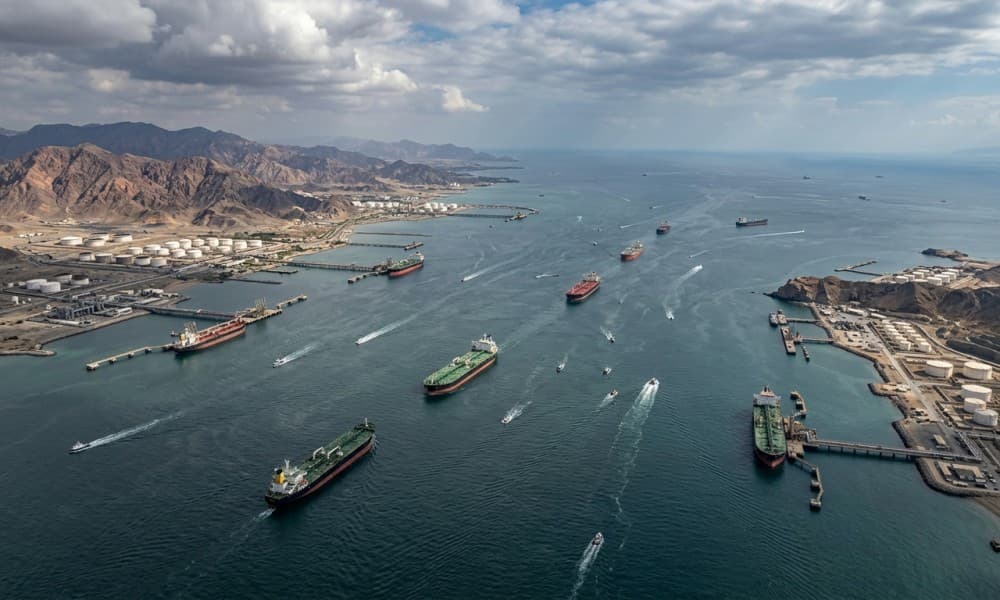
Global oil supply has decreased significantly due to the closure of the Strait of Hormuz, the U.S. blockade of Iranian exports, attacks in the Bab el-Mandeb Strait, and reduced exports of the Kazakh CPC Blend, as reported by the IEA, which also noted drone attacks in the Black Sea affecting exports.
This year’s anticipated supply decrease will reach 102.02 million bpd, marking the lowest forecast by the IEA, in contrast to the 3.7 million bpd reduction projected in July.
Global supply is projected to be approximately 1.27 million bpd below demand this year, an increase from the 860,000-bpd deficit indicated in the IEA's July forecasts.
Moreover, oil prices surged on Tuesday due to the ongoing war with Iran threatening global supplies, as U.S. strategic petroleum reserves (SPR) dropped to their lowest level in over 40 years. The SPR decreased by approximately 6.1 million barrels, reaching 298.7 million barrels last week, the lowest since January 1983, according to the Department of Energy (DOE).
Threatening the Middle East's Recovery
According to the IEA, Middle East oil loadings had increased to 20 million barrels per day at the beginning of July, roughly matching pre-war Hormuz traffic. However, later in the month, they fell to 12 million barrels per day.
In July, Middle Eastern production was 8.3 million bpd lower than pre-war levels, according to the IEA, compared to 14 million bpd of lost output at the crisis's peak.
Besides, the IEA notes that the recovery beginning in mid-May reduced the supply deficit in June, but renewed conflicts affected trade flows. It projects an oil market deficit of 1.8 million bpd for July-September, down by 1 million bpd from its previous July forecast.
Data from the IEA indicates that the quarterly deficit for the fourth quarter of 2021 is projected to be the deepest since then. For 2027, global oil supply is expected to exceed total demand by 4.61 million barrels per day, contingent on a de-escalation in the coming months.
After 410 million barrels of total stock withdrawals since the start of the Iran war, the surplus could allow stocks to reach February 2026 levels by mid-next year, according to the IEA.
IEA & OPEC Lower 2026 Oil Demand Forecasts
The IEA now projects a 1.6 million bpd decline in global demand this year, which is more severe than the about 1 million bpd decline observed last month.
Further, OPEC anticipates an increase in demand for oil this year, projecting a rise of 580,000 bpd, though this is 200,000 bpd lower than previous estimates. Meanwhile, the IEA reports that restricted refined fuel supplies and rising prices have negatively impacted demand, particularly for naphtha and gasoil, with Asia and the Middle East experiencing the most significant declines year-on-year.
Russian oil refining in July was at a 20-year low of 3.9 million barrels per day (bpd) due to Ukrainian drone attacks affecting refineries west of the Urals. Oil output also decreased by 100,000 bpd to 8.76 million bpd, falling short of OPEC+ targets, according to IEA data.
Overall, global refinery crude processing decreased by 5 million bpd in July, according to the IEA, as capacity could not overcome supply bottlenecks, leading to record-high refining margins.
Read more news:
- UAE Says It Stopped Cyberattacks Targeting Crucial Sectors
- Asian Ports Require $12 Billion in Annual Investment
- Oil Surpasses $100: A 'Perfect Hurricane' May Soon Cause a More Significant Shock