Enhancing Your Logistics Process for Maximum Efficiency
Efficient logistics processes help businesses manage resources, control costs, meet delivery expectations, and maintain smooth operations. As customer demands and technologies continue to evolve, logistics process improvement enables companies to identify inefficiencies, strengthen workflows, and maintain competitive performance.
02/10/2026
Logistics & Supply Chain
Efficient logistics and supply chain management mean the business can deliver products on time, meet customers' requirements, and boost operations and productivity.
Logistics process improvement should be a key consideration and consistently ongoing to ensure business success, protect resources, and upgrade work strategies based on modern business requirements and changing circumstances.
Continue reading our comprehensive article to learn all about logistics process improvement, why it is important, key improvement steps to follow, AI role in process development, and tips to strengthen your logistics processes effectively in a competitive market.
What Is a Logistics Process?
A logistics process includes a series of activities used to move, store, manage, plan, and deliver goods efficiently and in the best quality from suppliers to customers. It usually covers transportation, warehousing, inventory management, order processing, and information flow, helping businesses coordinate resources, reduce delays, control costs, and meet customer expectations consistently.
The 5 Logistics Processes:
1. Transportation.
2. Warehousing.
3. Inventory management.
4. Order processing.
Why Is Logistics Process Improvement Important?
Logistics process improvement means the company can meet customer expectations and ensure their satisfaction while reducing operational expenses, minimising delays, improving inventory control, optimising resources, and delivering orders on time. By reviewing and improving service activities, companies can avoid challenges, enhance coordination, adopt useful technologies, support employees, and create reliable operations to achieve sustainable long-term growth objectives.
9 Key Steps to Improve Logistical Processes:
Logistics process improvement should start from current operations based on company goals, challenges, limitations, and available technologies.
1. Evaluate Your Current Logistics Operations:
Reviewing current workflows and operations reveals inefficiencies, unnecessary costs, delays, resource gaps, and areas requiring improvement before planning the required operational changes.
2. Set Clear Business and Logistics Goals:
Having clear business and logistics goals, in the short-term and long-term, provides measurable KPIs and targets to reinforce delivery times, reduce expenses, increase productivity, and boost operational outcomes.
3. Identify and Reduce Operational Bottlenecks:
Categorising different challenges helps businesses discover delays, capacity issues, communication gaps, inefficient workflows, cost limitations, and other obstacles affecting logistics performance and satisfaction before they impact the entire business success.
4. Implement Automated Technologies:
Using advanced AI and automated technologies can streamline repetitive tasks, improve accuracy, accelerate information sharing, optimise workflows, and provide better real-time visibility across logistics operations.

5. Optimise Inventory and Resource Management:
Updating inventory and resource management techniques helps businesses maintain appropriate stock levels, reduce waste and overstocking, avoid shortages, enhance storage, and use resources effectively.
6. Support and Develop Your Logistics Teams:
Providing logistics and supply chain management courses for working teams will help them manage processes, adapt to changes, solve problems, strengthen strategies, discover opportunities, and boost productivity to the highest possible level.
7. Partner with Qualified Logistics Companies:
Qualified logistics companies can provide expertise, advanced technology, infrastructure, and reliable services for your business. This leads to better operations even in areas with complex requirements.
8. Learn From Competitors and Industry Practices:
Knowing who you are competing with is a vital point in logistics service improvement. This helps you learn all about useful industry practices, strategies, approaches, emerging standards, and improvement opportunities and develop your own processes without copying another organisation’s logistics strategy.
9. Regularly Evaluate and Update Your Processes:
Continuous evaluation of logistics and supply chain processes helps businesses measure results, identify challenges, adapt processes, and plan improvement based on customer expectations, technologies, and market changes.
Role of AI for Process Improvement in Logistics:
AI learning is one of the in-demand logistics courses. AI implementation helps in developing better logistics process improvement by analysing datasets, optimising operations, and automating activities. Actually, these will reflect directly on operational productivity and response efficiency to changing requirements.
Benefits of AI in Process Improvement in Logistics:
- Predicting demand patterns to support accurate inventory and purchasing decisions.
- Identifying routes to reduce travel time, fuel consumption, and costs.
- Estimating inventory needs to prevent shortages, overstocking, and storage costs.
- Automating repetitive warehouse tasks, improving speed, accuracy, and operational efficiency.
- Predicting equipment failures early, helping teams schedule predictive maintenance before costly disruptions occur.
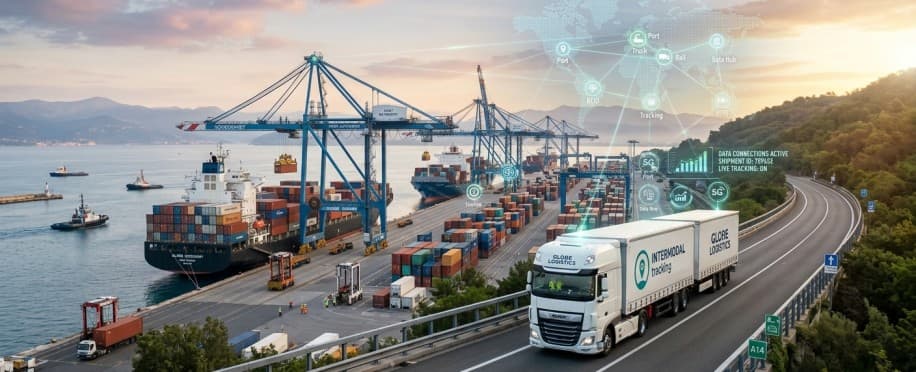
- Tracking shipments in real time, improving visibility, communication, and delivery coordination.
- Analysing operational data to support faster, informed logistics management decisions.
How to Develop Your Logistics and Supply Chain Management Skills?
Professional logistics and supply chain management courses online will help you learn and understand all the required techniques, strategies, and technologies to enhance your processes.
- Logistics planning: Plans activities to coordinate transportation, warehousing, resources, and requirements.
- Supply chain management: Understands relationships and requirements to enhance coordination and efficiency.
- Data analysis: Uses reliable data to identify trends, measure performance, and support decisions.
- Inventory management: Manages stock levels to prevent shortages, overstocking, waste, and unnecessary expenses.
- Technology and automation: Uses reliable logistics technology and automation to streamline workflows and boost efficiency.
- Problem-solving: Applies strategic thinking to discover challenges, evaluate solutions, and resolve problems.
- Communication: Communicates clearly with teams, suppliers, customers, and partners for effective coordination.
- Strategic decision-making: Develops strategic decisions aligned with business goals and operational priorities.
Final Thoughts on Logistics Process Improvement
Logistics process improvement should be based on your business requirements, indicators, resources, and limitations to achieve the best outcomes within the available budget.
Understanding all about logistics and supply chain management will help you establish effective logistics process improvement. Make sure to invest in professional training courses with accredited certifications, updated knowledge, and expert tutors.
