LPC Logo
  • Home
  • Classroom Courses
  • Online Courses
  • Services
  • Training Venues
  • About
  • Media
  • Contact Us
New Courses
Logo
This site is protected by reCAPTCHA and the Google Privacy Policy and Terms of Service apply.

LONDON HEAD OFFICE

14 Cambridge Court, 210

Shepherds Bush Road

 London, W6 7NJ

+44 20 80 900 464

info@lpcentre.com

DUBAI OFFICE

Business Bay, ParkLane Tower, Offices 718 - 719

+971 43 88 00 94

dubai.training@lpcentre.com

PARIS OFFICE

75 Boulevard Haussmann, 75008 Paris, France

+33 1 42 68 50 22

info@lpcentre.com

SINGAPORE OFFICE

21 Merchant Rd, level 4

Park Regis Office Tower, Singapore 058267

+65 9690 4313

info@lpcentre.com

KUALA LUMPUR OFFICE

No. 3273 Level 32, Menara Prestige, 1, Jalan Pinang, Kuala Lumpur, 50450 Kuala Lumpur

+60 19-305 5694

info@lpcentre.com

BARCELONA OFFICE

Av del Portal de l'Àngel, 36, Ciutat Vella, 08002 Barcelona, Spain

+34 934 925 700

info@lpcentre.com

London Premier Centre For Training Ltd Registered in England and Wales, Company Number: 13694538
ContactTerms & ConditionsPrivacy PolicyQuality PolicyBecome an instructorVacanciesSitemap
DMCA
version: 3.0.1
Copyright © 2026 lpcentre.com All Rights Reserved.
HomeArticlesThe Environmental Benefits of Solar Farms Explained

The Environmental Benefits of Solar Farms Explained

Solar farms are transforming the renewable energy sector by providing clean electricity, reducing emissions, and supporting sustainability goals. Understanding the benefits, challenges, costs, and future trends of solar farms helps organizations make informed decisions about long-term energy investments.

Accounting Professional
12/06/2026
Power Systems & Maintenance

Numbers are showing a 50 to 80% reduction of electricity bills for businesses investing in or subscribing to solar farms. There are many benefits of solar farms, including long-term cost savings, sustainability benefits, and reduced greenhouse gas emissions.

Solar farms' pros and cons could vary depending on the business requirements, location, and government regulations for renewable energy and emissions.

Continue reading our article to learn more about the benefits of solar farms, why solar power is important, pros, cons, cost benefits analysis, future trends, and careers to consider.

What Is a Solar Farm and How Does It Work?

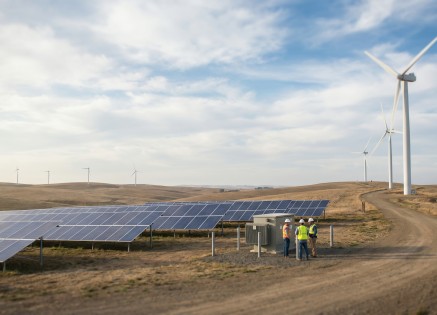
A solar farm is a large-scale installation of ground-mounted solar panels that converts sunlight into electricity and feeds it into the power grid. The key pros of supporting green energy generation include reducing emissions and providing renewable power for residential, commercial, and industrial areas.

How Solar Farms Support Net-Zero and Sustainability Goals?

Solar farms support net-zero and sustainability goals by helping governments and organizations transition toward carbon-neutral energy systems and achieve long-term environmental sustainability. This benefit of solar farms comes from generating clean electricity, lowering greenhouse gas emissions, and replacing fossil fuel dependency, even for large-scale projects.

Do Solar Farms Ruin Farmland?

Solar farms do not necessarily ruin farmland, as many projects are built on low-quality or unused land. Updated solar farms are considered dual-use agrivoltaics systems where farming and energy production are done together. However, this new benefit is a main concern in solar farms' adoption due to land conversion, food production displacement, and long-term agricultural productivity impacts.

The best energy investment is one that powers growth today without compromising the environment tomorrow.

Key Environmental Benefits of Solar Farms:

There are many solar farms' pros that make their adoption more popular for large-scale green energy production. Based on professional power systems courses, the main solar farms' pros include:

  1. Renewable energy.
  2. Environmental protection.
  3. Reduced operational costs.
  4. Lower carbon footprint.
  5. Energy security.
  6. Renewable Energy:

Solar farms generate green energy by converting sunlight into electricity, providing a clean, sustainable, and stable power source.

  1. Environmental Protection:

Zero-net emissions is one of the biggest benefits of SF installations. It provides clean energy that reduces pollution, preserves air quality, and minimizes environmental damage.

  1. Reduced Operational Costs:

Although solar farms come with a high initial cost, but when considering the long-term pros, they effectively lower operational costs by reducing fuel dependency, minimizing maintenance expenses, and protecting the environment.

  1. Lower Carbon Footprint:

Solar farms' pros include a significantly lower carbon footprint by replacing the need for fossil fuel energy sources with emissions-free electricity production systems.

  1. Energy Security:

Relying on solar farms means having a clean power source benefit, which leads to improved power security and ensures stable local electricity availability.

Challenges of Solar Farms:

Solar farms come with great pros, but they also have their cons that need to be considered to get the best outcomes without challenges or losses. These are the key cons to consider:

  1. Land Use Requirements:

Having efficient solar farms requires large land areas for installation. These cons can compete with agriculture, wildlife habitats, and urban development needs.

  1. High Initial Cost:

SF development cons involve high initial investment costs, including equipment, land acquisition, installation, and grid connection infrastructure.

  1. Maintenance Requirements:

Solar farms require ongoing maintenance to ensure panel efficiency, meet international security standards, keep system reliability, and maintain stable operational performance.
power systems coursesSolar Farm Cost-Benefit Analysis:

Cost-benefit analysis of solar panels for businesses should rely on 3 main cost analyses to cover all the essential points. These are the shortlisted analysis processes to do:

  1. Installation costs.
  2. Operating costs.
  3. Long-term savings.
  4. Installation Costs:

A solar farm installation costs include solar panels, inverters, land preparation, labor, grid connection, and engineering design expenses.

  1. Operating Costs:

These costs could differ based on the farm size and other requirements. The main operating costs involve routine maintenance, cleaning, monitoring systems, and repairs.

  1. Long-term Savings:

The economics of solar energy focus on the long-term savings due to reduced electricity bills, fuel costs, and operational expenses.

Floating Solar Farms: The New Trend to Know About

Floating solar farms are photovoltaic systems installed on water bodies such as reservoirs and lakes. Their pros include improving land efficiency, reducing evaporation, and increasing energy output due to cooling effects. The concept of FPV is becoming more popular, however, it has some cons to consider, including high cost, access limitations, and maintenance difficulty.

The Future of Solar Farms in Renewable Energy:

With all the benefits of solar farms, indicators show a bigger role in the emissions control movement. Solar farms provide many pros, making their role more important in reducing emissions.

  1. Growth of Utility-Scale Solar Projects:

Solar farms are expanding worldwide as governments are investing in required infrastructure and decarbonization initiatives across global energy markets.

  1. Sustainability Goals:

On the national and international levels, sustainability goals are driving solar farm adoption to reduce emissions and achieve net-zero targets.

  1. Advances in Solar Technology:

All the interest in cleaner energy is reflected in more investment in solar technology development. The advances are focusing on improving efficiency, storage integration, and panel durability.

  1. Future Demand for Solar Professionals:

Renewable energy jobs are becoming more in demand due to expanding projects, emissions reduction investment, infrastructure development, and real industry growth.

Careers in the Solar Energy Industry (2026 List)

The solar energy industry offers growing career opportunities in engineering, installation, maintenance, and management. Power systems online courses will help you develop your skills and knowledge in the field based on the latest global standards. The most important careers are:

  1. Solar Project Engineer.
  2. Photovoltaic (PV) Installer.
  3. Renewable Energy Consultant.
  4. Solar Operations and Maintenance Technician.
  5. Energy Analyst.
  6. Sustainability Specialist.
  7. Environmental Compliance Officer.
  8. Solar Sales and Business Development Manager.

Are Solar Farms Worth It?

The great benefits of solar farms are overcoming the cons, making the solar farm investment worth its efforts. The role of solar farms in providing clean energy and reducing emissions is the main reason why they are becoming more popular globally.

If you are interested in learning more about the pros and cons of SF and developing skills that will make your power system career future-ready, then you need to consider professional training with accredited certifications.
Related Articles

Renewable Energy Jobs: The Path to Success Starts with Training

Renewable Energy Jobs: The Path to Success Starts with Training

Renewable Energy Jobs: The Path to Success Starts with Training

Read More
Top 10 High-Paying Renewable Energy Jobs in 2025

Top 10 High-Paying Renewable Energy Jobs in 2025

Top 10 High-Paying Renewable Energy Jobs in 2025

Read More
Best Practices for Maintenance and Reliability Management

Best Practices for Maintenance and Reliability Management

In modern operations, maintenance is no longer just about fixing breakdowns when they occur—it has become a strategic function for ensuring reliability and operational efficiency. Best practices in maintenance and reliability management focus on setting the right priorities, reducing recurring failures, and improving asset performance, ultimately driving productivity and lowering long-term costs.

Read More

Search

Related Courses

Next steps in your BIM journey

IBM Maximo Asset Management 7.5 Fundamentals

IBM Maximo Asset Management 7.5 Fundamentals

5 DaysClassroom
Design of Concrete Structures in Power Facilities

Design of Concrete Structures in Power Facilities

5 DaysClassroom
Construction Site Electrical System Design

Construction Site Electrical System Design

5 DaysClassroom

Frequently Asked Questions

Every successful business is built on a strong financial foundation—just as every great project starts with careful planning. Our Accounting resources are designed to provide clear, practical answers to your most important financial questions. We break down complex accounting concepts into actionable insights, helping you understand your numbers, stay compliant, and make confident decisions that support sustainable growth and long-term success.