5 Innovative Use Cases of AI in Insurance Today
Artificial intelligence is reshaping how insurance companies evaluate risk, process claims, detect fraud, and serve customers. Understanding the 5 use cases for AI in insurance helps professionals recognize practical applications, evaluate business value, and prepare for technology-driven changes across the industry.
06/10/2026
Artificial Intelligence (AI)
Artificial intelligence for insurance companies is no longer an option, and companies have moved from exploring AI to real-life implementation in risk evaluation operations, claim processing strategies, fraud detection, customer interactions, and supporting insurance professionals.
The 5 innovative use cases for AI in insurance are expanding with high ROI expectations. A particularly strong 2026 statistic comes from NAIC testimony: adoption or planned adoption was reported at approximately 92% among health insurers, 88% among auto insurers, 70% among homeowners insurers, and 58% among life insurers surveyed.
Continue reading our article to learn all about the 5 use cases for AI in insurance, discover real-life examples, and explore benefits, challenges, and future expectations in the insurance sector.
1. AI-Powered Insurance Underwriting and Risk Assessment:
AI is transforming insurance underwriting strategies by transforming large data analysis into an automated process, including customer, property, vehicle, and behavioral data. Insurers can use artificial intelligence to identify risk patterns, support pricing decisions, automate routine assessments, and help underwriters make faster, more consistent decisions, while reserving human expertise for complex insurance cases.
How it is applied:
AI in insurance underwriting analyzes applicant data, historical claims, external datasets, and risk and fraud indicators to score applicants, discover patterns, and support underwriting decisions.
2026 Real-Life Examples for AI in Insurance Underwriting and Risk Assessment:
In June 2026, Travelers announced TravelersLLM, a proprietary model designed to enhance underwriting analysis, research, fraud detection, and access to insurance knowledge.
2. AI for Faster Claims Processing and Damage Assessment:
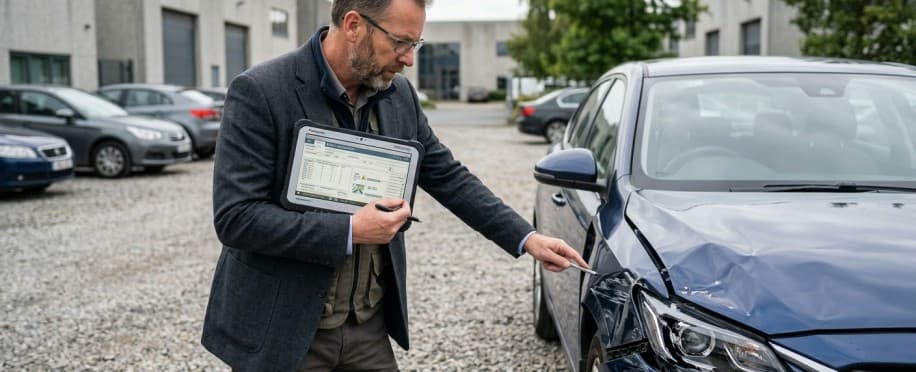
The 5 use cases for AI in insurance include effective insurance claims processing by reviewing documents, analyzing images, summarizing case information, estimating damage, and prioritizing cases for human adjusters. These strategies allow insurers to learn, explore, and handle straightforward claims efficiently while directing complex cases toward professionals, reducing processing times and improving the policyholder experience during stressful situations.
How it is applied:
AI tools explore claim forms, photographs, and supporting documents to classify cases, estimate damage, summarize information, and recommend appropriate next steps with implementation ROI.
2026 Real-Life Examples for AI in Claims Processing and Damage Assessment:
In 2026, Lemonade continued reporting AI-driven claims automation, with its Q2 results showing claims expenses at a record-low five percent. Lemonade also publicly describes using AI to process and pay claims, including automated claims handling.
3. AI-Powered Insurance Fraud Detection:
Insurance fraud detection is increasingly supported by AI systems that identify unusual patterns across claims, policies, identities, documents, and transactions. Machine learning can explore unrelated signals, discover anomalies, and highlight suspicious cases for investigation, helping insurers learn and reduce fraudulent payments while allowing claims to move forward efficiently.
How it is applied:
AI tools in detection strategies compare claims, explore real data, detect anomalies, analyze relationships, and discover risk scores.
2026 Real-Life Examples for AI in Insurance Fraud Detection:
In January 2026, LexisNexis Risk Solutions launched IDVerse for Insurance, using AI to discover fraud and manipulated documents for U.S. insurers. The solution uses AI models, biometric verification, and neural networks to authenticate identities and documents during quoting, claims, customer service, and other insurance processes.