Managing Workload and Priorities: Techniques for Effective Task Management
Managing Workload and Priorities: Techniques for Effective Task Management

29/05/2023
Management & Leadership
Managing workload effectively is your secret tool to manage your employees' tasks and processes without any delays or resource wasting.
More than that, managing workload distribution is an important technique or process whether you are a freelancer, CEO for a start-up, leader, or manager for a multi-international corporate.
So, if you want to finish your workloads and projects on time, manage your team and time efficiently, achieve your goals, and avoid paperwork pilling on your desk, you must take care of your workload management practices.
Today, we will identify workload management and discuss its importance. Moreover, guide you with powerful techniques and steps to do effective workload management and distribution for your workers' tasks.
What is Workload Management?
Workload management is distributing, managing, and running tasks and workloads yourself as a freelancer or across your team if you are a team manager.
Managing workload helps you distribute work effectively to your employees and monitor progress on each step. However, to keep your heavy workload management, you must consider your office members' skills, experiences, and knowledge in your planning and managing.
Furthermore, after managing the workload, monitoring and tracking your teams while working is part of your responsibility to ensure that everything is going as it should be and encourage your team.
Why Is Managing Workload Important?
Strategic management training highlights the importance of this process to get the best out of your working people's time, as you will have a clear view of the ongoing activities' productivity and performance.
Moreover, you will balance the available business resources best and avoid any waste based on your managing workload priorities.
Your planning and assigning will be accurate and effective as you will have each task's details and each employee's availability. Thus, your task distribution and delegating process will be strategically successful without creating challenging demands.
Best Techniques for Managing Workload:
If you are a team manager, you are always looking for new strategies to improve your time management skills and staff workload management tools.
Thus, now we are going to define for you the critical managing workload tips:
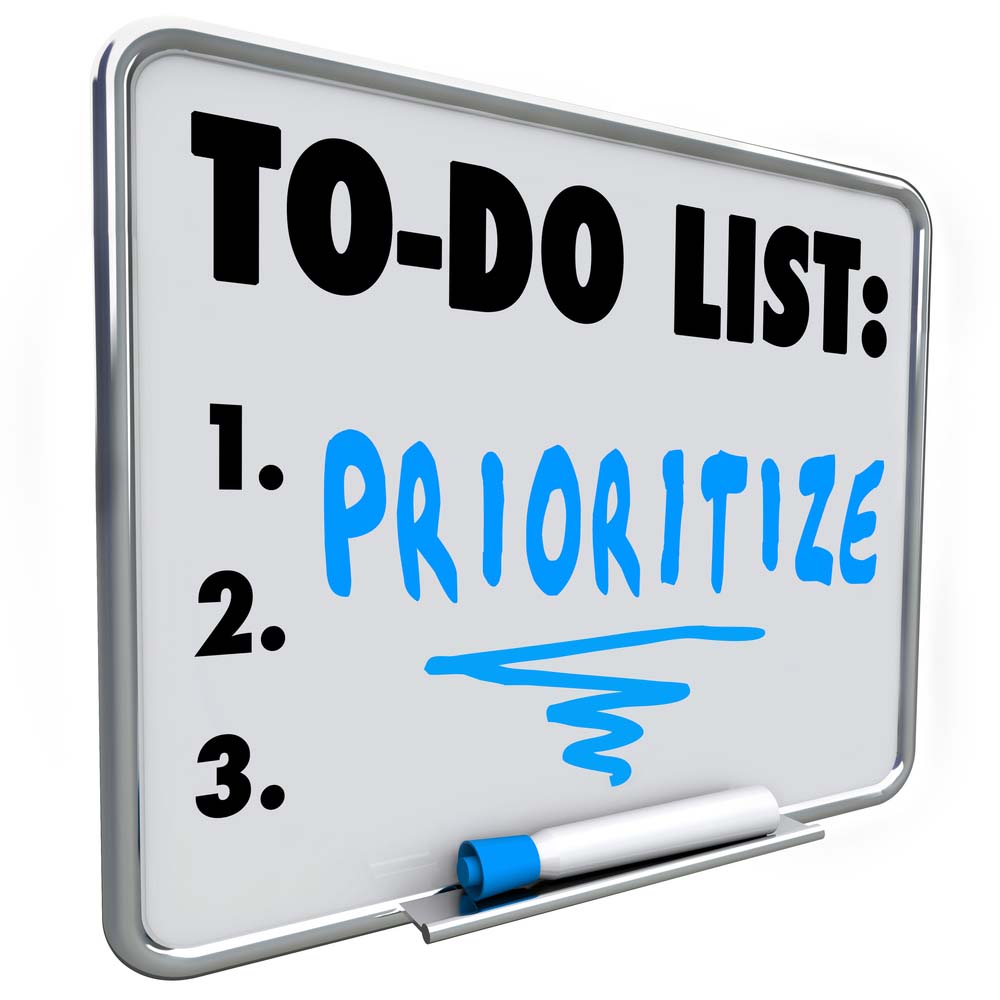
- Create a To-Do List:
Studies and research showed that a (To-Do List) significantly impacts your workload management efficiency as it helps you be more motivated and do what you must do without any time management errors or stress overload.
Moreover, try to create a (To-Do list) for each individual in your team to make their work more organised and efficient.
- Categories and Prioritise Your Tasks:
Whenever you receive a new task, and before assigning it to your team, you should estimate it based on the required skills and experience levels.
Moreover, prioritise its scheduling based on the available timeline, emergency status, and whether it needs to be immediately done.
- Set a Clear Timeline for Each Task:
After correctly identifying and allocating your tasks, you should create a clear timeline for the job based on its priority to meet the deadline.
This approach will boost your workload management as no distractions will exist in your task management processing.
- Do Tasks and Subtasks:
When you manage your workload, dividing your work into tasks and subtasks would be a brilliant idea, as this allocation is a proven step that makes work more accessible and efficient without feeling overwhelmed.
Moreover, this term could help you assign tasks to many employees based on their experiences, abilities, and skills.
- Be Prepared for Emergencies:
So, when managing workload, and after doing everything as the book says, you should plan for emergencies based on your company size and industry.
Thus, put a plan B for managing workload by considering possible errors, mistakes, or a new urgent project with a fast timeline and high priority.
Last But Not Least,
Managing workload is an effective management method that ensures your work success and efficiency.
Thus, take care of your management skill and always consider attending new training courses to gain new experiences.
