DP World Joins Clean Seas Initiative to Cut Maritime Plastic Waste
DP World Joins Clean Seas Initiative to Cut Maritime Plastic Waste
24/04/2026
Shipping, Maritime & Ports
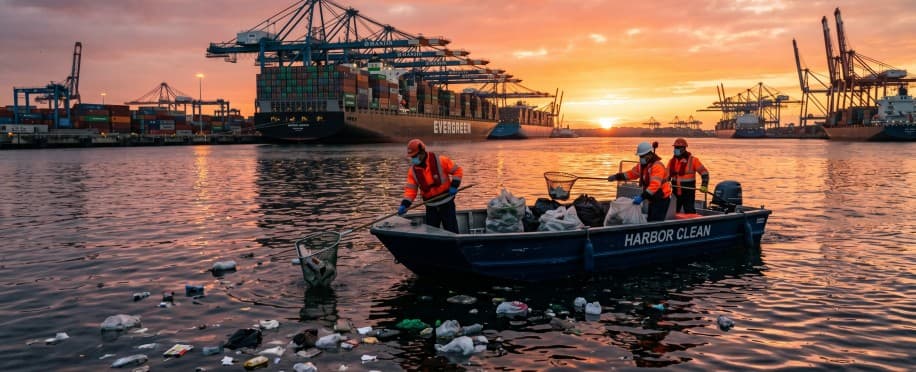
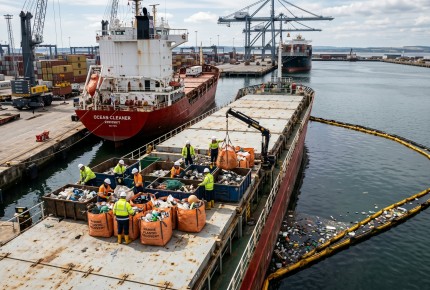
DP World has partnered with the Maritime Association for Clean Seas (MACS) to combat ocean plastic pollution, a global issue that affects ecosystems, coastal populations, and supply chain resilience.
This initiative represents a change toward sustainable waste management that directly impacts the integrity of perishable cargo handling for investors in food logistics and fresh product exporters.
Ocean Plastic in Food Logistics' Significance
MACS is the first industry-wide program that brings together ports, shipping firms, and other maritime stakeholders, such as ship chandlers, suppliers, and caterers, to address operational waste and ocean plastic at scale.
In line with the IMO's Plastic Marine Litter Action Plan, the association offers a cooperative platform that allows members to exchange data, apply best practices, and support certified plastic recovery initiatives.
Since fresh produce is frequently loaded and unloaded in coastal habitats, plastic waste in shipping lanes puts food businesses at danger.
Authoritative Directives
Glen Hilton, DP World's CEO and Managing Director for Asia Pacific, stated that “Sustainability is central to how we enable global trade. By joining MACS, we are strengthening our commitment to reducing plastic waste across our port operations and logistics network, and working with partners to implement solutions that can scale across global trade routes.”
Notably, DP World aims to implement scalable solutions that reduce plastic leakage across the maritime value chain, encompassing port operations to inland logistics.
Utilising its operational expertise and global network through MACS, the initiatives will focus on minimising single-use plastics and improving waste management at essential locations.
Likewise, Oliver Kade, Director of MACS, emphasised that DP World's involvement in MACS is a significant milestone, enhancing the initiative's capacity to tackle plastic pollution within intricate supply chains and exemplifying essential cross-sector collaboration for achieving impactful progress.
Clean Ports, Fresh Cargo
Investors in food logistics benefit from DP World's dedication to lowering single-use plastics and enhancing waste management at ports and inland locations, which results in cleaner, more effective handling environments for perishable goods.
Reduced plastic leakage also contributes to the preservation of coastal habitats, which are vital to seafood and aquaculture activities.
In summary, early adoption of sustainable practices positions logistics partners as preferred carriers for environmentally conscious food companies and retailers throughout the Middle East, Africa, and beyond, as global supply chains come under increasing scrutiny for their environmental impact.