Trump Administration is Reportedly Preparing 'New Round of Massive Tariffs on Semiconductors'
US considers new semiconductor tariffs

28/08/2026
Accounting, Finance & Budgeting
Politico revealed on Thursday that the Trump administration is contemplating broad new tariffs on semiconductors, which might potentially apply to a variety of technology products that contain computer chips.
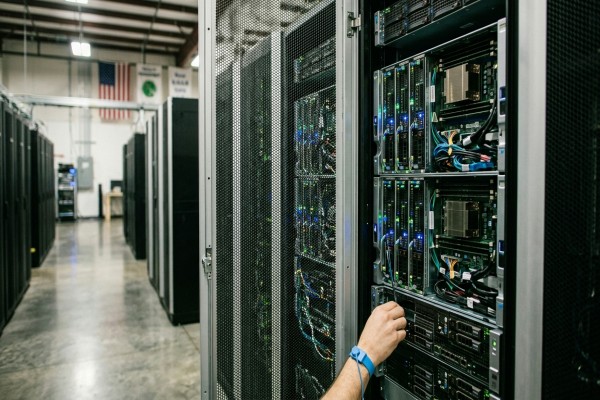
According to the report, which cited eight people involved with the discussions, one strategy under consideration would impose charges not just on imported chips but also on products built with them, such as laptops, gaming consoles, and servers used in data centres.
In an effort to promote additional production on American soil, Commerce Secretary Howard Lutnick is allegedly in favour of linking tariff relief for foreign businesses to their investments in US semiconductor manufacturing.
Proposed Tariff Relief Related to US Chip Production
Companies would be allowed to import a specific amount of chips duty-free under the proposed approach; the amount would depend on how much production they commit to establishing in the United States.
According to the report, officials are also thinking of distinct import quotas and tax rates for each nation, as well as a phase-in time. The framework may undergo significant revisions in the upcoming weeks or months, and the tariff rate and other important features have not yet been decided.
The IT sector, which is already experiencing a shortage of cutting-edge semiconductors due to the rising demand for artificial intelligence infrastructure, is concerned about the idea.
Broader tariffs, according to industry leaders, could boost the cost of building data centres, delay US investment in AI infrastructure, and drive up the cost of servers, laptops, televisions, and other electronics.
Additionally, the actions may have an impact on US chip designers that depend on foreign producers to make their chips, including Nvidia and Advanced Micro Devices.
White House Defends Tariffs Amid Market Shifts & Nvidia Rally
Reshoring semiconductor production is a “top priority” for President Donald Trump, according to White House spokeswoman Kush Desai, who defended the administration's trade stance.
“The Trump administration remains focused on delivering more investments and economic relief for the American people while safeguarding our national security,” Desai stated.
Although the majority of Americans, according to polls, are against increased tariffs, Trump has promised that his tariff programme will make the US “rich as hell.”
Concern over the possibility of a deal to reopen the Strait of Hormuz in the near future has caused Brent crude to rise by about 1% and eurozone bond yields to rise marginally.
The FTSE 100 index in London dropped 86 points, or 0.8%, to 10,792, but Wall Street indices managed to make slight gains while shares in the UK and Europe fell.
After US chipmaker Jensen Huang declared a “golden age” for AI both domestically and internationally, Nvidia shares surged 7.6% on Wall Street as the company more than doubled its second-quarter revenues to almost $100 billion.
Overall, concerns over skyrocketing debt-driven expenditure on AI infrastructure caused a selloff in the shares of AI companies in recent months, which gave investors a sigh of relief.
Read more news:
- Global Ro-Ro Community Forms Council to Manage GHG Emissions Data
- US & Canada Claim to Be Wrapping Up a Trade Agreement
- As Labels & Watermarks Proliferate, Welcome to AI's 'Scarlet Letter' Era