US & Canada Claim to Be Wrapping Up a Trade Agreement
US & Canada Move Closer to Finalising a Major Trade Agreement
21/08/2026
Legal, Contracts & Procurement
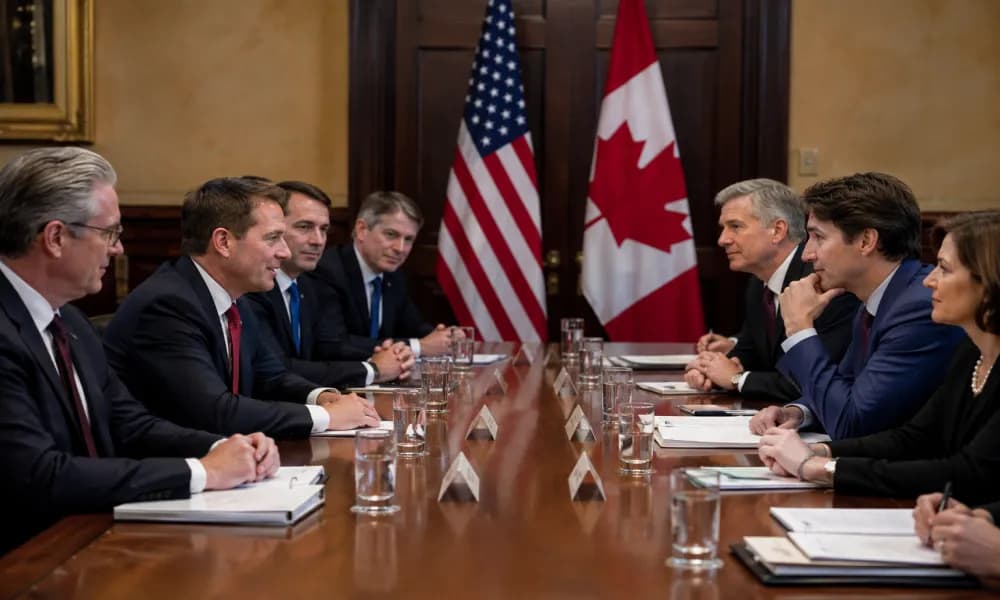
Canada and the US are finalising a significant trade deal, praised by President Trump and Prime Minister Carney.
Trump claims it will benefit US farmers and manufacturers, while Carney stresses it ensures optimal terms for Canada's strategic sectors and stability in US-Canada trade relations.
Trade negotiators convened for the third consecutive day following Trump's suspension of new tariffs on Canadian goods.
Key Sectors of the U.S.-Canada Accord
Although the agreement's specifics are still unknown, it is anticipated that US alcohol and Canadian steel, aluminium, and automobiles will be involved.
US Trade Representative Jamieson Greer expressed satisfaction after meeting with his Canadian counterpart, stating that a recent trade deal addresses key issues between the two nations.
Moreover, Greer underlined the deal's positive impact on American workers, jobs, and supply chains, aiming to bolster the North American economy. He plans to inform Congress and US stakeholders about the agreement's specifics shortly.
Notably, Trump announced that Canada will eliminate tariffs on US farmers, although which specific agricultural sectors would benefit were not detailed. He indicated that the US might reduce some of its tariffs on Canada ‘by a little bit.’
Carney mentioned on X that ‘significant progress’ has been made towards an agreement addressing “Canada's most important strategic sectors.”
The Deal’s Components
The agreements, which were formally signed in Damascus in early February 2026, highlight a rising regional and global commitment to re-engaging with Syria as President Ahmad al-Sharaa works to turn the country's recent political stability into sustained economic growth.
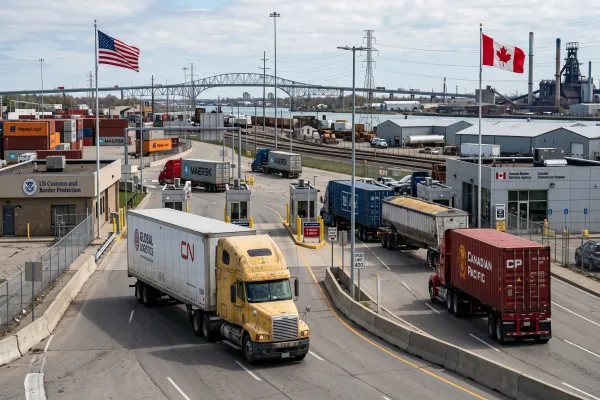
Besides, Canada is negotiating a deal to have the US reduce tariffs on steel, aluminium, automobiles, and lumber. A potential agreement could see US tariffs on Canadian steel and aluminium decrease from 50% to 25%, and tariffs on Canadian-made vehicles reduced from 25% to 15%. The Prime Minister updated his cabinet and provincial leaders on Wednesday regarding these discussions.
Following a meeting with Carney, Nova Scotia Premier Tim Houston reported that the prime minister requested provinces to reinstate US alcohol sales in Canadian markets.
Houston noted this issue has been a concern for the US, questioning whether Canadians would actually purchase the alcohol once available again, which is a separate matter. Last year, most Canadian provinces prohibited US alcohol sales in response to Trump's tariffs.
Amid US Trade Demands, Canada Defends Dairy Programme
The US has requested concessions from Canada, such as eliminating retaliatory tariffs on American automobiles and modifying dairy quotas to facilitate US cheese imports. However, Minister LeBlanc stated that Canada's dairy supply management programme, which regulates production and pricing, will remain ‘entirely intact.’
Further, polls indicate that most Canadians prefer a hardline stance in negotiations with the US, with 56% expressing discontent at potential concessions by the Carney government. Meanwhile, business organisations from both Canada and the US are advocating for a deal, warning that further tariffs would negatively impact both nations.
Overall, President of Canadian Manufacturers and Exporters, Dennis Darby, expressed optimism to the BBC about an imminent finalised trade deal between Canada and the US. He noted that negotiations are progressing positively, hinting at a potential return to USMCA terms, which would allow most goods to flow tariff-free among Canada, the US, and Mexico.
Read more news:
- As Labels & Watermarks Proliferate, Welcome to AI's 'Scarlet Letter' Era
- As Stockpiles Fall Due to the Iran War, the World's Oil Supply Is at Risk
- UAE Says It Stopped Cyberattacks Targeting Crucial Sectors