
Project Management for Operational Improvement
Self-Learning Online Course
Self-paced
of Learning
Self-Paced
Learn anytime
Online Access
Lifetime access
Certificate of
Completion
£300
Secure Checkout
About This Course
Do inefficient processes and out-of-date systems hamper your organization? Imagine a workplace where operations operate smoothly, productivity is great, and continual improvement is the norm. The Project Management for Operational Improvement course provides the information and tools for efficient operations and organisational excellence.
In this online course, you will go beyond observing inefficiencies to being a change agent, developing the skills to manage effective operational improvement initiatives. You will adopt the Deming Cycle and continuous improvement principles, learn project management approaches for operational excellence, successfully manage stakeholders, and track progress to achieve real outcomes.
By the completion of this course, you will have the knowledge, skills, and confidence needed to lead successful operational improvement projects.
What You'll Learn

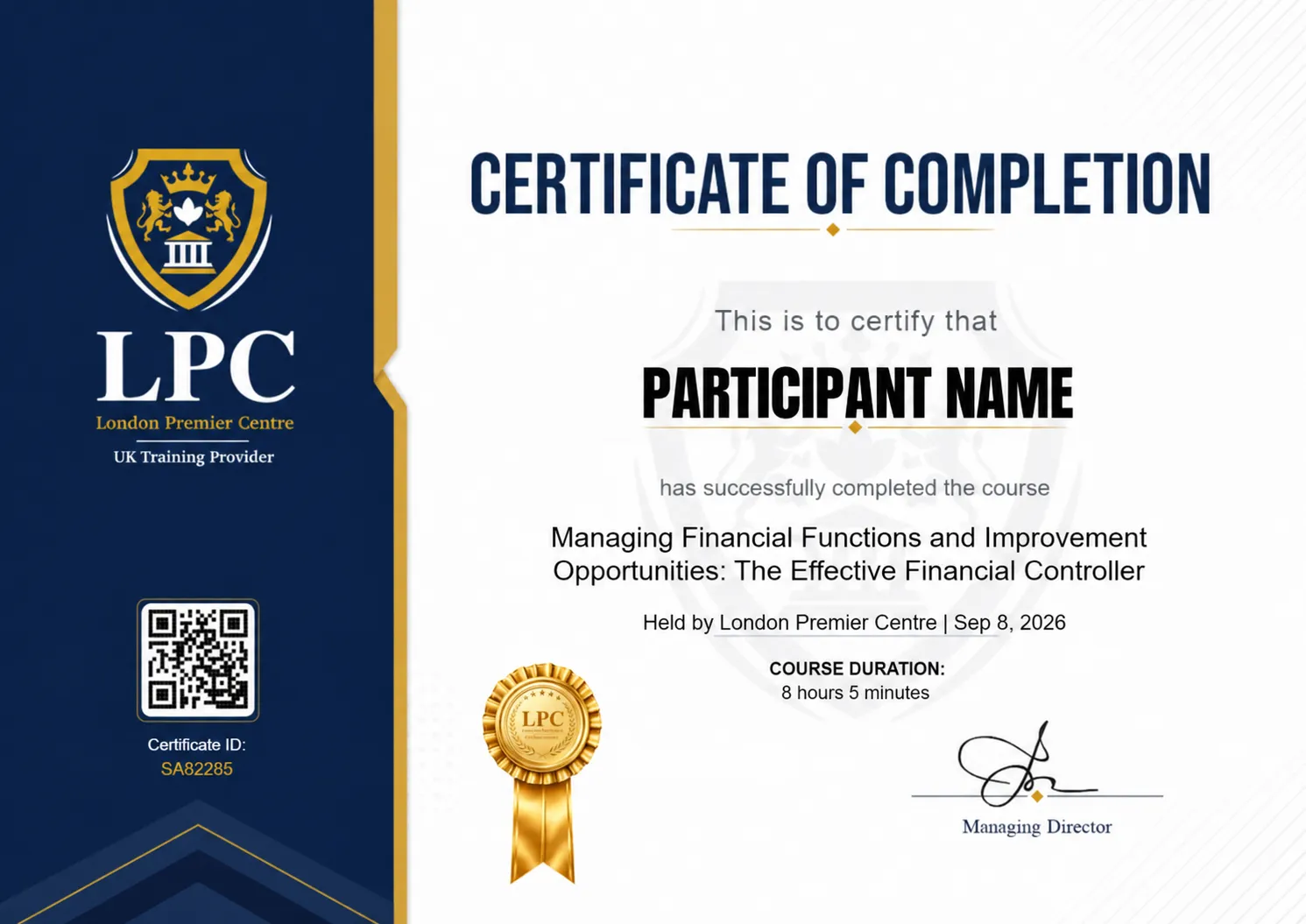
Earn Your LPC Certificate of Completion
Successfully complete the entire course to receive your LPC Certificate of Completion.
Project Management for Operational Improvement
- Self-paced of learning
- Self-paced access
- Professional instructor
- Online learning materials
- Certificate upon completion
- Lifetime access
- Access on mobile & desktop
Secure Checkout


100% Secure & Trusted
Your information is safe with us. We use secure encryption and trusted payment systems.
Who Should Take This Course?
- Operational managers
- Department managers
- Project managers
- Professionals involved in continuous improvement initiatives

Need Live Online Training?
Join our expert-led live online courses and interact in real time from anywhere in the world.
View Live Online Courses →