How Does a Gas Pipeline Cathodic Protection System Work?
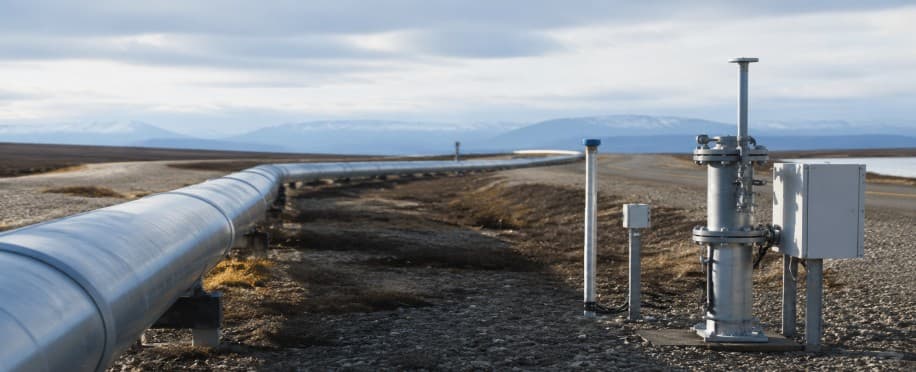
A gas pipeline cathodic protection system works by boosting the resistance of the pipeline through the cathode of an electrochemical cell. By using impressed current, it redirects corrosion away from the pipeline, protecting steel surfaces from corrosion caused by soil and moisture exposure.
Key Cathodic Protection Applications Across Oil and Gas Infrastructure:
The best practices for successful oil and gas project management highlight these applications of the cathodic protection system for gas pipeline:
- Gas Transmission Pipelines:
Cathodic protection systems protect gas transmission pipelines, especially those used in gas lift, from external corrosion, ensuring safe gas delivery, regulatory compliance, and longer operational life.
These pipes use cathodic protection to prevent damage, protect structures, reduce leak risks, and improve transportation reliability.
Using cathodic protection for gathering lines minimizes corrosion threats, protects assets, and ensures uninterrupted hydrocarbon collection operations.
Usually, the cathodic protection protects storage tank bottoms from soil-side corrosion, extending their lifespan and reducing costly maintenance requirements.
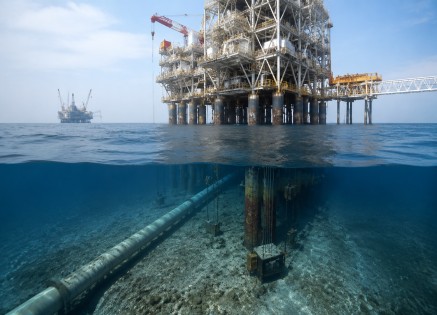
Including a cathodic protection system for gas pipeline in offshore platforms increases resistance to seawater corrosion and maintains structural integrity in harsh environments.
The Common Types of Cathodic Protection Systems Used in Pipelines:
Professional oil and gas courses will help you understand all about the types of cathodic protection systems for gas pipelines, including ICCP and Sacrificial Anode Cathodic Protection solutions.
- Sacrificial Anode Cathodic Protection:
These technical systems use more reactive metals that corrode instead of the pipeline, providing comprehensive, simple, and effective protection for materials.
- Impressed Current Cathodic Protection (ICCP):
The structures of the ICCP systems use an external power source to deliver protective current, making them suitable solutions for large pipeline networks.
- How to Choose the Right System for Oil and Gas Pipelines?
Successful system selection depends on the project standards, including pipeline size, installation, coating condition, soil resistivity, operating environment, pipe materials, maintenance requirements, and project costs.
Cathodic Protection Measurements and Testing Methods:
In the oil and gas online courses, you will learn all the required technical measurements and testing methods, and what the best measurement is to use for each oil and gas project.
- Pipe-to-soil potential measurements.
- Soil resistivity testing.
- Instant off potential surveys.
- Corrosion coupons.
- Close interval potential survey (CIPS).
- Direct current voltage gradient (DCVG).
- Remote monitoring systems.
Benefits of Cathodic Protection for Pipeline Integrity Management:
Applying the cathodic protection system for gas pipeline will come back with great benefits to the oil and gas industries, including:
- Corrosion Risk Reduction:
Cathodic protection for gas pipelines significantly reduces corrosion rates, helping prevent pipeline failures, leaks, environmental incidents, and costly repairs.
By limiting metal deterioration, cathodic protection extends the lifespan of pipelines and maximizes the value of infrastructure investments.
Reduced corrosion-related maintenance and fewer repairs help operators lower operational expenses and services, and improve overall asset performance.
Improved pipeline reliability means improved performance. The cathodic protection maintains structural integrity and reduces the likelihood of unexpected service disruptions for onshore and offshore platforms.
Eventually,
A cathodic protection system for a gas pipeline is a basic system in the oil and gas industry, and when applied correctly, it means better durability, performance, and stability in the industry, which directly reflects on the global supply chain, services, and product production.
Keep in mind that learning new techniques and updated knowledge is basic to having a successful system. This can only be done based on effective oil and gas training by a reliable training center with professional tutors and accredited certifications.