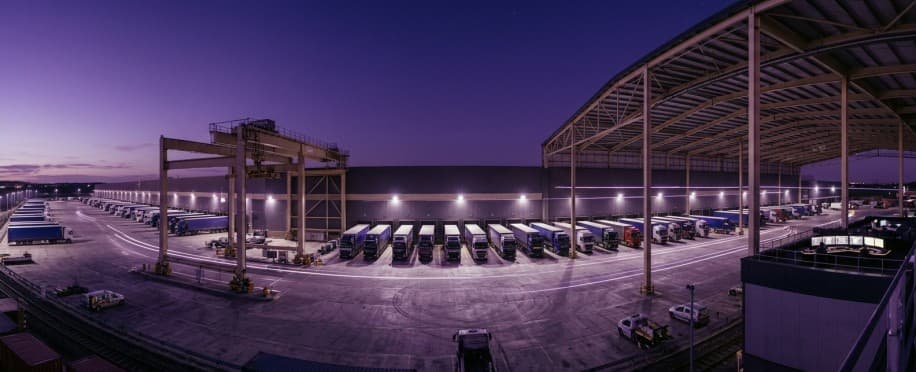
How Can AI Improve Logistics Security?
AI offers several practical applications across logistics operations. Its greatest advantage comes from connecting information that would otherwise remain scattered across different systems.
Let's look at where these capabilities can make the biggest difference.
1. Detect Suspicious Cargo Movements Before They Escalate
Cargo theft remains a serious concern for logistics operators, particularly when transporting high-value goods over long distances. Although GPS tracking helps companies monitor shipment locations, knowing where a vehicle is located does not always explain whether its movements are suspicious.
AI adds another level of analysis by comparing real-time movements with expected routes and historical patterns.
Imagine a truck transporting valuable electronics. If it unexpectedly leaves its approved route and stops in an unusual location, an AI monitoring system can flag the activity for investigation. Security personnel can then contact the driver or verify whether the route change was authorised.
This is one of the most practical applications of logistics security solutions ai, especially when combined with geofencing and real-time tracking.
Furthermore, advanced techniques such as anomaly detection can help distinguish ordinary operational changes from situations that require urgent attention. As a result, security teams can focus their efforts on higher-risk incidents instead of investigating every minor deviation.
2. Strengthen Warehouse Security and Access Control
Warehouses are another important area where AI can improve security. These facilities often handle large volumes of inventory while managing continuous movements of employees, vehicles, and external contractors.
With so much activity taking place, identifying suspicious behaviour through conventional surveillance alone can be challenging. AI-powered video analytics can help by detecting unusual movements, monitoring restricted areas, and highlighting activities that fall outside established operating patterns.
Similarly, ai logistics solutions can analyse access records alongside inventory movements to identify inconsistencies that deserve further investigation. For warehouse managers, this creates an opportunity to improve security coverage while allowing employees to concentrate on incidents that genuinely require human attention.
3. Reduce Fraud and Cargo Theft Risks
Some logistics security threats begin long before goods are physically transported. Fraudulent pickup instructions, falsified documents, and compromised accounts can create opportunities for criminals to interfere with shipments.
AI can help identify these risks by examining transaction patterns, checking document consistency, and detecting unusual account activity.
But how significant are these threats?
As seen in the BSI Consulting and TT Club 2025 Cargo Theft Report, lorries accounted for 70% of recorded global cargo theft incidents, while insider involvement contributed to 22% of cases. You can clearly see the importance of combining physical protection with stronger verification procedures. What this means for logistics managers is reviewing who can access shipment information, authorise collections, and modify delivery instructions.
AI can support these controls by identifying suspicious patterns earlier, allowing teams to investigate potential fraud before goods are released.
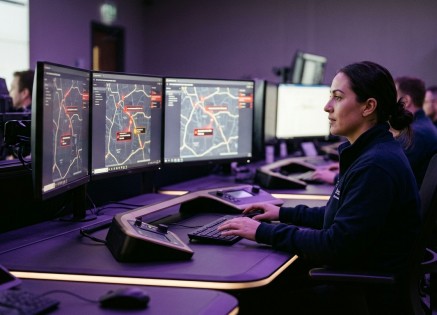
How Can Businesses Turn AI Security Alerts Into Action?
Detecting a potential threat is only the beginning. The real challenge is ensuring that the right people receive the information and know how to respond.
For example, an AI system might identify an unexpected shipment deviation. However, if nobody is responsible for investigating the alert, the company could still experience a security incident.
This is an important consideration when evaluating logistics security solutions ai. Businesses need to connect automated monitoring with clearly defined operational procedures.
Here’s a practical implementation approach should address several questions:
- What should the system monitor? Identify the most important security risks based on shipment value and operational exposure.
- Who receives the alerts? Assign responsibility to specific security or operations personnel.
- What happens next? Establish clear procedures for verification and escalation.
- How are incidents documented? Maintain reliable records to support investigations and future improvements.
- How is performance reviewed? Examine false alerts and confirmed incidents to improve monitoring accuracy.
Following these industry best practices helps organisations turn security information into timely decisions. More importantly, it ensures that investments in AI contribute to measurable improvements in operational security.
Why Human Judgement Still Matters in AI Security
Although AI can analyse enormous volumes of information, logistics operations involve situations that technology may not fully understand.
A driver might change routes because of road closures. A warehouse employee may enter a restricted area to address an urgent operational issue. Similarly, a delivery schedule could change because of a customer's unexpected request.
In each case, unusual activity may have a perfectly legitimate explanation.
For this reason, logistics security solutions ai work best when automated detection is supported by experienced security professionals.
AI can identify patterns and recommend priorities, while employees assess the circumstances and determine the appropriate response. A similar approach is used in AI applications for insurance risk and fraud analysis, where intelligent systems help identify potential risks that require further assessment.
For business leaders, the lesson is straightforward: successful AI adoption requires both reliable technology and employees who understand how to interpret its findings.
Building the Skills Needed for AI-Driven Logistics Security
Introducing AI also changes what logistics and security professionals need to know.
Managers increasingly need to understand how intelligent monitoring systems operate, what their limitations are, and how their outputs should influence operational decisions.
For instance, implementing ai-powered logistics solutions requires attention to data quality and cybersecurity. Teams must also understand privacy requirements and the importance of human oversight.
This makes professional development an important part of successful implementation.
Organisations looking to strengthen their teams' capabilities can explore the best ai certifications to develop a stronger understanding of AI applications and governance. Likewise, professionals seeking flexible learning opportunities can consider the best ai certificate course online alongside practical training in logistics security procedures.
Ultimately, employees who understand both operational risks and AI capabilities are better prepared to use these technologies responsibly.
A Practical Checklist for Improving Logistics Security With AI
Before investing in logistics security solutions ai, business leaders should examine whether their existing operations can support effective implementation.
The following checklist provides a useful starting point:
- Identify the most significant security threats affecting shipments and facilities.
- Review existing monitoring systems and identify gaps in visibility.
- Evaluate the quality of available operational data.
- Establish clear responsibilities for responding to security alerts.
- Integrate AI monitoring with existing security procedures.
- Train employees to investigate unusual activity and interpret AI findings.
- Protect sensitive shipment information and control system access.
- Measure improvements in response times and incident management.
Importantly, companies should begin with the risks that have the greatest potential impact on their operations. This allows them to introduce AI where it can deliver practical benefits and expand its use as their capabilities develop.
Conclusion
AI is creating valuable opportunities for logistics companies to strengthen security across increasingly complex supply chains. From identifying unusual cargo movements to monitoring warehouses and detecting potential fraud, intelligent systems can help organisations recognise threats earlier and respond more effectively.
However, the success of logistics security solutions ai ultimately depends on how well businesses integrate these technologies into their existing operations.
For decision-makers, the most effective approach begins with understanding operational risks, establishing clear responsibilities, and preparing employees to act on AI-generated insights. With these foundations in place, companies can improve security while supporting more reliable and efficient logistics operations.