IMO Chief: Shipping Must Not Be Used as Collateral in the U.S.-Iran War
The strength of global trade is measured not only by the movement of goods, but by the safety of those who keep it moving.
29/06/2026
Shipping, Maritime & Ports
IMO Secretary-General Arsenio Dominguez has emphasised the serious, frequently disregarded human cost to seafarers and urged that shipping not be used as collateral in geopolitical conflicts.
His comments highlight the importance of ship operators prioritising crew welfare and operational resilience in unstable areas.
In light of the growing tensions between the US and Iran, IMO Secretary-General Arsenio Dominguez's comments underscore the growing risks in the global maritime industry.
'Shipping Must Not Be Used as Collateral'
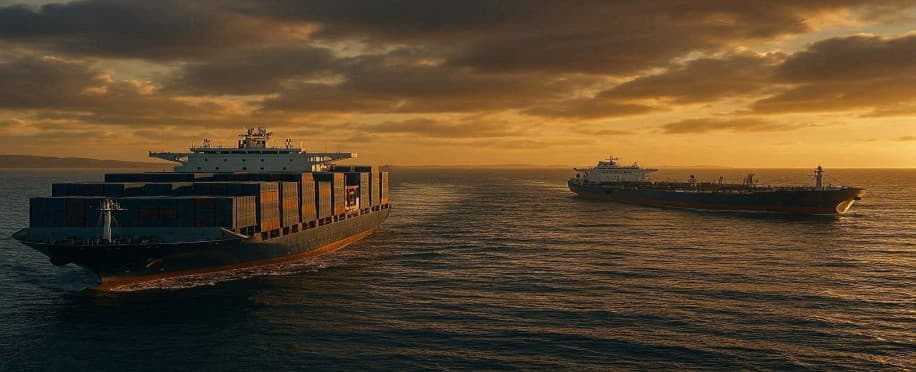
Dominguez's affirmation that “shipping must not be used as collateral” speaks directly to the growing risk that commercial ships and their crews face when navigating vital waterways.
Together with 14 fatalities in over 40 attacks, the tragic deaths of three Indian seafarers on the tanker Settebello off the coast of Oman highlight the harsh reality on the ground, which is frequently obscured by conversations about oil prices and monetary losses.
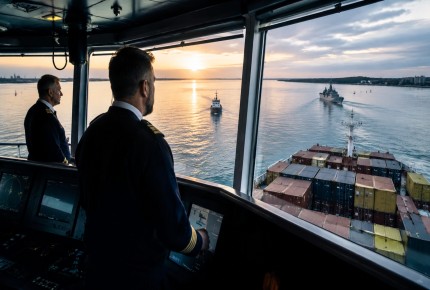
This situation poses a variety of difficulties for fleet managers, ship operators, and owners. The safety and wellbeing of seafarers, who are increasingly exposed to hazardous environments, is the immediate concern.
Likewise, strong security measures, thorough risk assessments for flights through high-risk regions, and improved crew support systems—including psychological assistance for individuals who have experienced traumatic events—are therefore required.
Risks to Shipping Companies' Operations & Finances
Seafarers' own 'forgotten' sentiment is a potent call to action for the industry to step up efforts in crew welfare and communication. As the IMO points out, maintaining steady supplies of food, medicine, fuel, and drinking water as well as promoting family contact becomes not only a practical but also a moral requirement.
Notably, the Strait of Hormuz and the surrounding waters are vital conduits for international trade from a regional standpoint, especially for the export of energy. Shipping routes that connect the Middle East with Europe, Asia, and beyond are significantly impacted by any disruption or perceived threat in this area.
Besides, shipping companies from Turkey, the Mediterranean, and Europe regularly traverse these waters, making them directly vulnerable to the consequences of such conflicts. Rerouting choices, higher insurance rates, and possible delays become major financial and operational challenges.
Supply & Repair Support Plays a Critical Role
With extensive operations in Turkey, the UK, Europe, and the Middle East, Seaway Ship Services is well-versed in these complexities. To ensure that ships can maintain their operational integrity and crew welfare in difficult situations, our role in providing necessary supplies and repair services becomes even more crucial.
Further, reassessing voyage plans for high-risk areas, bolstering onboard security, making sure there are sufficient provisions and medical supplies, and keeping lines of communication open with flag states and the IMO are some of the practical lessons learned.
In the end, safeguarding seafarers is a shared duty that necessitates steadfast dedication from all parties involved to respect international law and the security of life at sea.
Read more news:
- India Becomes the World's Largest Ship Recycling Nation Five Years Before the 2030 Target
- Aluminum's War Shock Reduced by Dark Transits and Chinese Supply
- Hormuz Deal Could Lower Gas Prices, but Prewar Rates Are Unlikely