Hormuz Deal Could Lower Gas Prices, but Prewar Rates Are Unlikely
Energy stability is not restored by peace alone, but by time, trust, and the steady flow of global cooperation.
18/06/2026
Oil and Gas
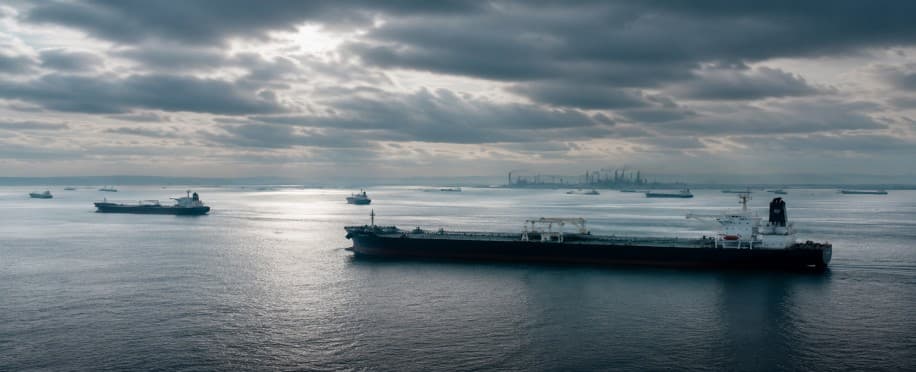
After over 100 days of significant disruption to global energy supplies, the oil and gas markets reacted positively to a US-Iran peace deal, leading to the reopening of the Strait of Hormuz.
Following this announcement, Brent crude prices dropped to $82 a barrel, and wholesale gas prices decreased by approximately 6%.
The international oil benchmark is higher than last year's $69 per barrel average but has decreased from a peak of $126. This decline may help the global economy avoid severe repercussions from the US war on Iran.
Hormuz Deal Reached; Fuel Price Uncertainties Persist
A last-minute agreement has emerged before a forecasted “red zone” in the oil market, marked by increasing summer demand and declining crude stockpiles.
Despite recent market stabilisation, uncertainty persists, as a return to pre-crisis conditions is months away and depends on the Iranian regime's cooperation with the White House.
In the US, soaring road fuel prices pose a political risk to Trump's administration ahead of the midterm elections. Analyst Bjarne Schieldrop suggests that a final deal could lead to lower gasoline prices, potentially aiding Republican survival in the elections.
Moreover, Iran's gradual reopening is strategically beneficial, as it prevents rapid global crude resupply and allows Tehran to retain political leverage in US negotiations.
A significant agreement is expected to be signed on Friday, with plans for mine removal in the strait taking up to seven weeks during a 60-day negotiation on Iran's nuclear phaseout.
As buyers look to replenish depleted emergency stockpiles, prices are predicted to stabilise between $80 and $90 per barrel despite a notable decline in the global oil and gas markets.
Delays in the Recovery of Gulf Shipping
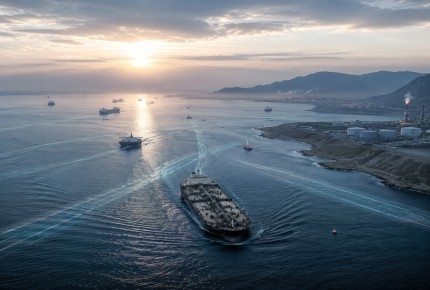
Market analysts suggest that it may take until late July for minesweepers to confirm the safety of shipping routes essential for restoring Gulf exports to pre-crisis levels.
About 25% of mainstream oil tankers in the Gulf at the crisis's onset have departed the Middle East in the last three months, leaving over 160 ships stranded for over 100 days.
Notably, Neil Shearing, chief economist at Capital Economics, notes that despite safe passage, issues persist regarding the location of tankers, the need for full oil production capacity, and ongoing concerns about insurance costs and availability for transit through the strait.
Approximately 80% of crude oil flows may resume by the end of Q3, though petrol exports may be delayed due to Iranian drone strikes on Qatari facilities, affecting global petrol prices and countries such as the UK.
According to Alexis Ellender, a dry bulk analyst at Kpler, fertiliser shipments are currently a low priority compared to oil and liquefied natural gas carriers. He noted that as traffic normalises through the Strait of Hormuz, the focus will remain on these higher-demand commodities.
2027 Will See the Gulf Energy Recovery
The strikes caused QatarEnergy to halt production, affecting 20% of global liquefied natural gas (LNG) supply. Damage to the Ras Laffan complex may delay its recovery for years, leading to higher prices as competition for limited resources intensifies.
Rystad Energy analysts estimate that Gulf oil exports may not reach pre-crisis levels until next year due to challenges in restarting shut-down ageing oilfields in Iraq and Kuwait.
Furthermore, David Jorbenaze from ICIS predicts a full recovery in traffic volume by 2027, dependent on stable agreements and quick production recovery. He notes ongoing economic difficulties post-Trump's election, while Shearing emphasises that even if the Strait reopens immediately, inflation and economic damage will continue in the short term.
Subsequently, he anticipates that, instead of recession, the global economy will experience weaker growth in Q3, with GDP growth expected to return to over 3% by late 2026 and into 2027.
Read more news:
- China Launches the First Wind-Powered Underwater Datacentre in History
- Hormuz Crisis Reveals a Worldwide Problem That Will Take Years to Address
- AD Ports Group Acquires Brazil's CLI for $835 Million