Aluminum's War Shock Reduced by Dark Transits and Chinese Supply
Aluminum's War Shock Reduced by Dark Transits and Chinese Supply
24/06/2026
Shipping, Maritime & Ports
Concerns over shipping in the Strait of Hormuz are impacting global trade, notably affecting the aluminium industry alongside oil and LNG sectors.
While exports of oil and LNG have not faced significant disruptions, inconsistent vessel traffic and security issues are undermining confidence in this critical shipping route.
The uncertainty surrounding aluminium exports from the Gulf is raising concerns about both raw materials and energy supplies necessary for production.
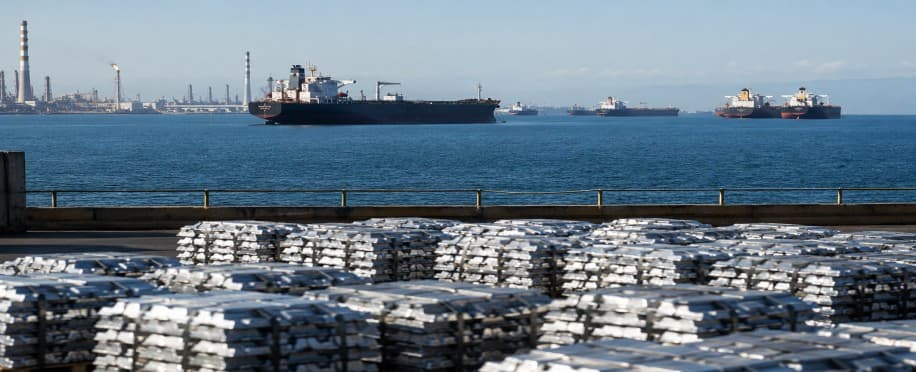
The Gulf Cooperation Council (GCC) exports about 5.5 million tonnes of primary aluminium annually, primarily through the Strait of Hormuz.
Strait Closure Affects Sea Routes for Gulf Smelters
Gulf smelters depend on sea transport for imported alumina and bauxite, making them susceptible to disruptions. Recent tensions escalated as Iran announced the closure of the Strait of Hormuz amid the Israeli conflict in Lebanon, significantly reducing commercial vessel traffic.
On June 21, only 12 vessels passed through the Strait, down from 35 the previous day, raising security concerns for this crucial waterway that handles about 20% of global oil and LNG trade.
Notably, the company reported that multiple vessels disabled their Automatic Identification Systems (AIS), complicating tracking efforts. Windward noted that the traffic pattern resembled past disruptions rather than typical commercial shipping activities.
Moreover, the recent slowdown in shipping activity followed a temporary improvement, with Kpler noting 25 vessel transits on Thursday—the highest since mid-April—due to eased diplomatic tensions between Iran and the U.S.
However, optimism waned when Iran’s Islamic Revolutionary Guard Corps declared the Strait closed again, blaming Israel for not fully adhering to a ceasefire agreement.
US Counters Iran as Hormuz Traffic Remains Strained
The United States dismissed Iran’s assertion regarding navigation safety in the Strait, with CENTCOM confirming that 55 merchant vessels transited the area on Saturday—significantly more than commercial tracking estimates.
This discrepancy creates uncertainty for shipowners, insurers, and commodity traders facing regional security risks, as traffic through the Strait has declined to only 100 to 120 tankers daily before the conflict.
According to Kpler's oil analyst, Matt Smith, traffic has slightly improved but remains below normal. He indicated that this increase is not significant enough to signal a 'first mover.'
Approximately 500 vessels, including 220 oil tankers, are stranded in the Persian Gulf due to ongoing conflict, with experts estimating several months for recovery in shipping and oil flows, hindered by security concerns.
In addition, Jakob Larsen, Chief Safety and Security Officer at BIMCO, stated that the security situation in the shipping industry remains unstable despite ceasefire talks. He noted that parts of the central Strait are mined, leading ships to use limited coastal routes near Oman and Iran.
Strait Disruptions Hit Gulf Aluminium
Many vessels require inspections, maintenance, and resupply after being anchored for months. Ongoing diplomatic talks in Switzerland highlight maritime security as a key topic, as stated by Iranian Foreign Ministry spokesperson Esmaeil Baghaei.
Likewise, discussions included the safe passage of ships through the strait, establishing an important mechanism. The uncertainty impacts the aluminium industry beyond just exports.
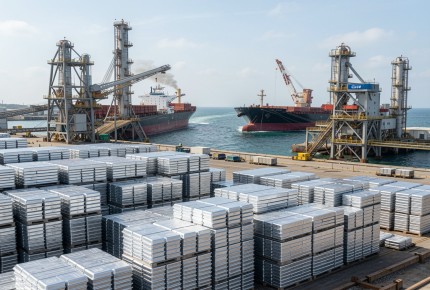
Approximately 5.5 million tonnes of GCC primary aluminium transit through the Strait annually, indicating a dependence on the waterway for both importing alumina and bauxite from countries like Australia, Guinea, and Brazil, and for exporting finished aluminium to customers in Europe, Asia, and North America.
Industry analysts indicate that Gulf smelters maintain only three to four weeks of alumina inventory. Prolonged shipping disruptions could impact both production and exports, while the aluminium industry also relies significantly on stable energy supplies.
Aluminium production is electricity-intensive, with many smelters in Asia and Europe dependent on Gulf oil and gas. Disruptions in energy shipments through the Strait may increase fuel and electricity costs, affecting production expenses regionally.
Gulf Reliance Reduces Aluminium Supply
Europe obtains about 20% of its primary aluminium from the Middle East, highlighting its vulnerability. Japan, South Korea, and Taiwan also rely on Gulf aluminium and LNG. In the U.S., aluminium premiums are rising due to tariffs limiting sourcing options, although financial markets remain relatively stable amid these challenges.
Further, Europe obtains about 20% of its primary aluminium from the Middle East, highlighting its vulnerability. Japan, South Korea, and Taiwan also rely on Gulf aluminium and LNG. In the U.S., aluminium premiums are rising due to tariffs limiting sourcing options, although financial markets remain relatively stable amid these challenges.
London Metal Exchange aluminium prices held steady at approximately USD 3,400 per tonne on June 19. Brent crude prices decreased slightly, while major Asian stock markets rose, indicating investor confidence in global energy supply stability.
In contrast, the physical aluminium market is experiencing tighter supply, with rising premiums in Rotterdam and the US Midwest as competition for available metal intensifies, and some alumina shipments are being redirected to China.