Key Benefits of Natural Gas Production Explained
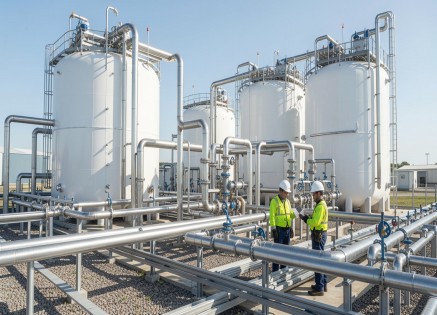
Natural gas production plays a central role in meeting rising global energy demand while supporting cleaner and more efficient power systems. As countries seek to balance affordability, energy security, and environmental goals, natural gas continues to stand out as a flexible and reliable energy source. Its growing importance in electricity generation, industrial development, and global trade highlights why it remains a key component of the modern energy mix.
26/06/2026
Oil and Gas
Many countries are under increasing pressure to balance rising global energy demand with environmental limits, unstable oil markets, and the need to keep power affordable for homes and businesses. In this context, the discussion around gas and its role in modern energy systems has become more important than ever. The benefits of natural gas production are now central to global discussions on energy security, economic stability, and environmental transition.
The benefits of natural gas production are not only about fuel supply, but also about reshaping how nations manage production, reduce emissions, and support long-term economic growth. This guide explores the benefits of natural gas production, real-world applications, and challenges shaping its future.
According to the International Energy Agency (IEA), natural gas accounts for nearly a quarter of global primary energy consumption, showing its strong global importance.
What Are the Benefits of Natural Gas Production?
- Cleaner Energy and Lower Emissions
One of the main benefits of natural gas production is its ability to reduce emissions compared to coal and heavy oil. Natural gas produces significantly lower carbon output, helping reduce pollution and improve overall environmental quality.
The benefits of natural gas production also include supporting cleaner power generation. Many modern plants use gas because it burns more efficiently, producing fewer harmful emissions while still meeting rising demand. Professionals who explore oil and gas courses often study this advantage in modern energy design.
- Affordable Energy and Cost Savings
Another major benefits of natural gas production is affordability. Improved extraction, transportation systems, and distribution systems have made gas more cost-effective for both industries and domestic use. This reduces operational cost for businesses and creates significant savings for consumers.
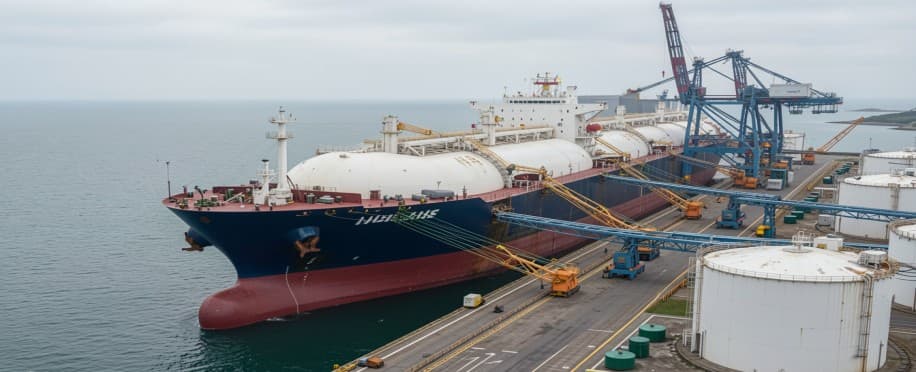
Countries like India and PNG increasingly rely on liquefied natural gas (LNG) imports to stabilize prices and support energy access. The benefits of natural gas production in this area directly support economic stability and industrial growth.
- Flexible Power and Reliable Energy Supply
The benefits of natural gas production include unmatched flexibility in power generation. Unlike intermittent renewable sources, natural gas can quickly adjust to changes in demand, ensuring stable electricity for homes, industries, and infrastructure.
This flexibility makes gas a backup for solar and wind energy, improving grid reliability. In technical operations, systems like Gas Lift are also used in upstream production to enhance efficiency and maintain steady output under variable conditions.
- Industrial Growth and Economic Development
The benefits of natural gas production extend to industrial expansion and economic development. Industries depend on gas for manufacturing, refining, and oil processing activities. It supports sales, improves stocks, and increases overall economic value.
Sectors like oil and gas project management depend on reliable gas production to ensure smooth operations. This strengthens employment, supports industrial growth, and enhances national economy performance.
- Transition Fuel for a Sustainable Future
A final benefits of natural gas production is its role as a transition fuel between fossil fuels and clean energy technologies. Natural gas helps reduce dependence on high-emission fuels while supporting cleaner power systems.
However, methane leakage during extraction remains a concern. If not properly managed, it can increase emissions and reduce environmental benefits. Advanced technology is essential to make gas production more efficient and sustainable.