Effective Construction Management Strategies for Success
Effective construction management is essential for delivering projects safely, efficiently, and within budget. From strategic planning and cost control to workforce coordination and modern technology, the right strategies help construction professionals manage challenges, improve performance, and achieve successful project outcomes.
05/10/2026
Constructions & Civil Engineering
Project managers with effective construction management strategies can ensure project success through innovative execution and high efficiency. These strategies are critical in complex and high-cost projects that require dynamic construction management strategies for all stages.
Effective construction project management helps you discover core opportunities, manage resources, and avoid challenges to ensure high efficiency, timely delivery, and continuous development based on modern technologies.
Continue reading our article to discover all about effective construction management, key strategies, benefits, processes, tips to master it, and a practical example to explore a day in the life of a project manager.
What Is Effective Construction Management?
Effective construction management is the process of planning, budgeting, scheduling, resource management, execution, safety, quality, and communication to keep projects on track, on budget, and on time, based on key requirements and success outcomes. Effective management requires skilled construction managers who can anticipate risks, solve execution problems, and coordinate teams throughout every construction project stage.
Construction management success is not about avoiding challenges; it is built on proactive planning, strict cost control, and protecting workforce safety to turn engineering visions into reality.
What Are the Key Strategies in Effective Construction Management?
Effective construction management includes successful strategies like strategic project planning, cost management, strong communication and collaboration, and others to ensure the best outcomes.
Strategic Project Planning:
This essential technique develops clear objectives, defines execution scope, allocates resources, sets realistic schedules, and creates milestones to supervise construction teams.
Effective Cost Management:
Developing accurate budgets, tracking expenses, controlling waste, managing changes, and avoiding complex challenges are essential techniques to prevent unexpected construction project cost overruns.
Strong Communication and Collaboration:
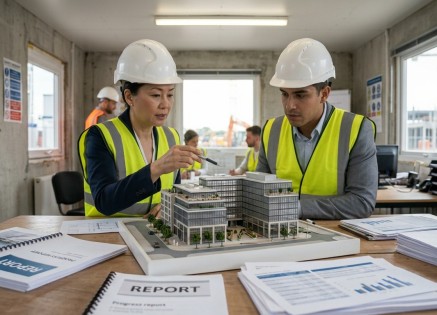
The construction industry requires strong communication skills to keep owners, contractors, architects, engineers, and subcontractors aligned to lower misunderstandings, delays, conflicts, and costly mistakes.
Staff Safety and Compliance:
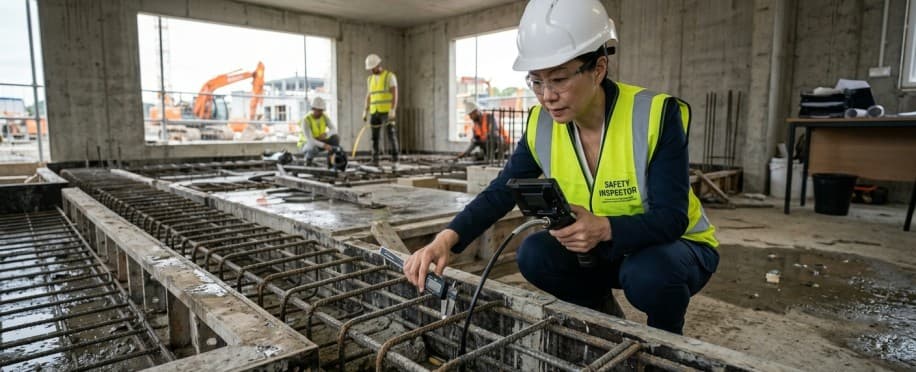
A project manager is the one to guide staff safety and compliance strategy by overseeing hazard management, providing proper training, following OSHA requirements, and maintaining safety procedures.
Real-Time Project Monitoring:
Successful building and construction projects effectively track progress, schedules, resources, and performance, allowing managers to identify any delays and make the required adjustments before they escalate.
Risk and Quality Management:
Effective construction project management should include professional risk and quality management to identify potential threats, implement preventive measures, and ensure construction activities meet required standards and specifications.
Modern Construction Technology:
Modern construction technology, including BIM, project management software, drones, and mobile applications, is transforming how contractors can manage construction projects efficiently.
Efficient Resource and Workforce Management:
During project management, especially in execution, successful managers should coordinate labor, materials, equipment, and subcontractors effectively to lower downtime, waste, and unnecessary project disruptions.
What Are the Benefits of Effective Construction Management?
These key benefits will help you understand why it is important to learn about construction management:
- On-time project delivery to improve scheduling, coordination, and monitoring of building timelines.
- Better cost control of all expenses and resources to minimize budget waste and maintain better control over project costs.
- Improved quality with clear standards, regular inspections, skilled supervision, and control of project specifications and expectations.
- Better workplace safety by applying effective management, successful safe practices, and industry compliance.
- Effective communication with all project stakeholders to keep them informed, reduce misunderstandings, and create stronger collaboration.
- Improved productivity, including better planning, resource allocation, communication, and innovative technology tools.
What Is the Construction Management Process?
Professional civil & construction management training courses in London will guide you to discover effective construction management strategies, processes, and tips to success.
- Project Planning and Pre-Construction: Define project scope, objectives, budget, resources, and requirements before construction activities begin.
- Design and Procurement: Finalize project designs, select suppliers, manage purchasing, and provide necessary equipment and subcontractor requirements.
- Construction Execution: Coordinate workers, materials, equipment, schedules, and daily activities while construction work progresses according to schedules.
- Monitoring and Control: Track project performance, costs, schedules, resources, and changes to identify problems and maintain project control.
- Quality and Safety Management: Inspect completed work, monitor safety practices, address challenges, and manage construction activities based on established requirements.
- Project Completion and Closeout: Complete inspections, resolve outstanding issues, finalize documentation, ensure crucial approvals, and formally close the construction project.
What Does Effective Construction Management Look Like in Practice?
It is time to explore the practical aspect of the industry with the best civil engineering courses. Here are the main tasks a project manager does during a standard working day:
- Morning: Review progress, safety issues, and priorities.
- During the day: Coordinate teams, inspect work, resolve issues, monitor resources.
- Afternoon: Review progress against the schedule and address emerging risks.
- End of day: Update documentation, communicate changes, and prepare for the next stage.
How to Master Effective Construction Management?
Each construction phase has its requirements, and learning how to manage projects should follow a clear plan to achieve real results. Make sure to consider these steps to improve your project management career:
- Develop project planning skills: Learn to establish clear objectives, define project scope, allocate resources, and develop realistic construction plans.
- Learn construction scheduling: Understand scheduling methods to coordinate activities, establish milestones, monitor progress, and minimize project delays.
- Strengthen financial management knowledge: Develop budgeting, forecasting, expense tracking, and financial control skills to manage construction project costs efficiently.
- Understand construction safety requirements: Learn applicable safety standards, hazard identification techniques, workplace procedures, and local requirements for construction environments.
- Improve leadership and communication: Develop leadership, negotiation, communication, and problem-solving abilities to coordinate diverse construction teams successfully.
- Learn construction technology and software: Gain practical knowledge of BIM, project management platforms, mobile applications, and digital construction tools.
- Gain practical project experience: Apply construction management knowledge through projects, workplace responsibilities, simulations, internships, or supervised professional experiences.
- Take professional construction management training: Complete civil & construction online courses to strengthen technical knowledge, planning capabilities, industry awareness, and practical skills.
To conclude,
Effective construction management combines planning, budget control, communication, safety, quality management, risk management, workforce coordination, and technology to keep construction projects on track effectively.
Mastering the management of construction projects requires professional training with expert trainers to gain updated knowledge, accredited certifications, and empower your career with innovative courses.