Shipping, Maritime & Ports Articles
Filter By Category
Accounting, Finance & BudgetingHuman ResourcesProject ManagementAdministration & SecretaryQuality & ProductivityCustomer ServiceHealthcare ManagementSales & MarketingFacilities ManagementLogistics & Supply ChainMedia & Public RelationsEnvironmental & AgricultureSafety & SecurityConstructions & Civil EngineeringOil and GasLegal, Contracts & ProcurementPower Systems & MaintenanceIT and Computer ScienceHospitality & TourismData Science and VisualisationProduct ManagementShipping, Maritime & PortsArtificial Intelligence (AI)Diplomacy and Public AffairsLaw Enforcement and Policing
Shipping, Maritime & Ports
Main Articles of This Category

Marine Engineer: Key Roles, Skills, and Career Path
Marine Engineer: Key Roles, Skills, and Career Path
26 April 2025

Incoterms 2020: Everything You Need to Know (Updated for 2025)
Incoterms 2020: Everything You Need to Know (Updated for 2025)
23 April 2025

What Is Deadweight Tonnage (DWT)? A Clear Guide for Maritime Professionals
What Is Deadweight Tonnage (DWT)? A Clear Guide for Maritime Professionals
22 April 2025

Smart Green Shipping: Explore Leading Innovations and Solutions
Smart Green Shipping: Explore Leading Innovations and Solutions
1 January 2025

Top Maritime Courses to Prepare You for Industry Challenges
Top Maritime Courses to Prepare You for Industry Challenges
7 August 2024

Why are Maritime Courses in London Essential for Seafaring Professionals?
Why are Maritime Courses in London Essential for Seafaring Professionals?
22 July 2024

Maritime Training Courses: Certifications, STCW Requirements & Career Benefits
In an industry moving over 80% of global trade while navigating a massive officer shortage, keeping your skills compliant and future-proof is no longer optional. Navigating evolving IMO standards, digital vessel operations, and strict environmental mandates requires targeted maritime training courses that turn regulatory requirements into rapid career advancement across the global shipping sector.
21 July 2024
Latests Articles

Workplace Safety Tips: Protecting Employees Daily
Workplace safety starts with consistent daily habits—inspecting work areas, controlling hazards at their source, and reporting unsafe conditions before accidents occur. By combining NIOSH’s Hierarchy of Controls, ergonomic material handling, and clear emergency procedures, employers and teams create safer, more resilient offices and operational sites every day.
12 November 2026
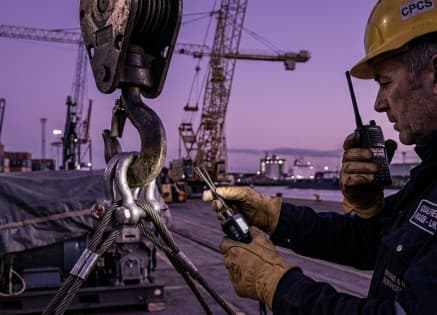
Top Crane Lifting Safety Tips for Operators and Crew
Crane lifting safety procedures are the critical boundary between seamless site execution and catastrophic accidents. By rigorously inspecting equipment, verifying load capacities and ground stability, and maintaining precise communication between operators and ground crews, industrial teams control dropping and tip-over hazards before any movement begins.
11 November 2026

AI-Powered Strategies for Successful Event Management
AI-powered strategies in event management are transforming how organizations plan, execute, and evaluate large-scale conferences. By leveraging predictive demand forecasting, automated delegate support, and personalized session recommendations, event leaders can eliminate operational friction and optimize resource allocation. Adopting clear verification safeguards and human oversight ensures these AI capabilities enhance attendee engagement while maintaining strict accountability and commercial value.
10 November 2026