Artificial Intelligence (AI) Articles
Filter By Category
Accounting, Finance & BudgetingHuman ResourcesProject ManagementAdministration & SecretaryQuality & ProductivityCustomer ServiceHealthcare ManagementSales & MarketingFacilities ManagementLogistics & Supply ChainMedia & Public RelationsEnvironmental & AgricultureSafety & SecurityConstructions & Civil EngineeringOil and GasLegal, Contracts & ProcurementPower Systems & MaintenanceIT and Computer ScienceHospitality & TourismData Science and VisualisationProduct ManagementShipping, Maritime & PortsArtificial Intelligence (AI)Diplomacy and Public AffairsLaw Enforcement and Policing
Artificial Intelligence (AI)
Main Articles of This Category

The Role of AI in Skills Forecasting and Development
As industries evolve, knowing which skills will matter tomorrow is just as important as understanding what businesses need today. AI makes skills forecasting more practical by analysing trends, identifying gaps, and helping professionals choose the right training for future career opportunities.
14 October 2026

AI-Driven Approaches to Improve Business Agility
Business agility is no longer optional as markets, customer expectations, and technologies continue to change. AI for business agility helps organisations automate processes, make faster decisions, and adapt confidently, giving teams the flexibility they need to stay productive, competitive, and prepared.
8 October 2026

5 Innovative Use Cases of AI in Insurance Today
Artificial intelligence is reshaping how insurance companies evaluate risk, process claims, detect fraud, and serve customers. Understanding the 5 use cases for AI in insurance helps professionals recognize practical applications, evaluate business value, and prepare for technology-driven changes across the industry.
6 October 2026

AI Supply Chain Mapping: Optimize Your Logistics Strategy
AI supply chain mapping is transforming logistics strategy by connecting suppliers, facilities, inventory, and transport routes into a unified, network-wide view. This technology enables decision-makers to discover hidden dependencies, predict potential disruptions, and make proactive sourcing or rerouting decisions before service levels, production lines, or company revenues are impacted.
30 September 2026

Generative AI Transforming Public Affairs Strategies
Navigating modern policy landscapes requires both rapid data interpretation and sharp political intuition. Incorporating generative AI for public affairs allows teams to automate legislative monitoring, streamline policy research, and scale advocacy outreach without losing the human empathy essential for high-stakes decision-making. Below are the top five questions public affairs professionals ask when adopting AI tools into their strategic workflows.
15 September 2026

Comprehensive Guide to AI Skill Gap Analysis
AI skill gap analysis is now essential for organizations navigating rapid digital transformation and rising demand for AI skills. It helps identify gaps between current employee capabilities and future workforce needs, enabling better hiring, training, and development decisions. As AI adoption grows worldwide, businesses use it to improve readiness, close skill gaps, and stay competitive in an evolving market.
7 June 2026

Top AI Skills to Master for Future Success
AI skills are becoming essential for future career success. From prompt engineering to automation and data literacy, professionals who understand how to work effectively with AI will gain a major advantage in the modern workplace.
28 May 2026

How AI is Transforming the Human Resources Landscape
Artificial intelligence is reshaping the future of human resources by helping organizations automate processes, improve employee experiences, and make smarter business decisions. From recruitment and workforce planning to performance management, AI in HR is driving digital transformation across modern workplaces.
20 May 2026

Weighing AI in Healthcare: Pros and Cons Explained
Artificial intelligence is transforming healthcare by improving diagnostics, automating workflows, and supporting personalized patient care. Understanding the pros and cons of AI in healthcare helps healthcare professionals use AI technologies effectively while balancing innovation, efficiency, ethical concerns, and quality patient experiences.
16 May 2026
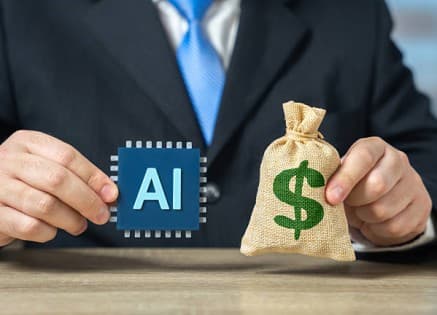
AI Innovations in Finance and Accounting Explained
AI for finance and accounting is changing how finance teams work by making routine processes faster, more accurate, and easier to manage. From reporting and reconciliation to forecasting and audit support, it helps professionals reduce manual effort and focus more on analysis, control, and better business decisions. For organisations under pressure to improve efficiency without losing oversight, AI is quickly becoming a practical part of modern finance and accounting.
23 April 2026