Asian Ports Require $12 Billion in Annual Investment
New World Bank study highlights the urgent need for annual investment to expand port capacity, modernize regional fleets, and support sustainable maritime growth across Asia.
04/08/2026
Shipping, Maritime & Ports
The East Asia and Pacific region is now one of the world's most trade-dependent regions and a growing economic powerhouse. This trade is heavily dependent on effective ports, ships, and fuel supply networks.
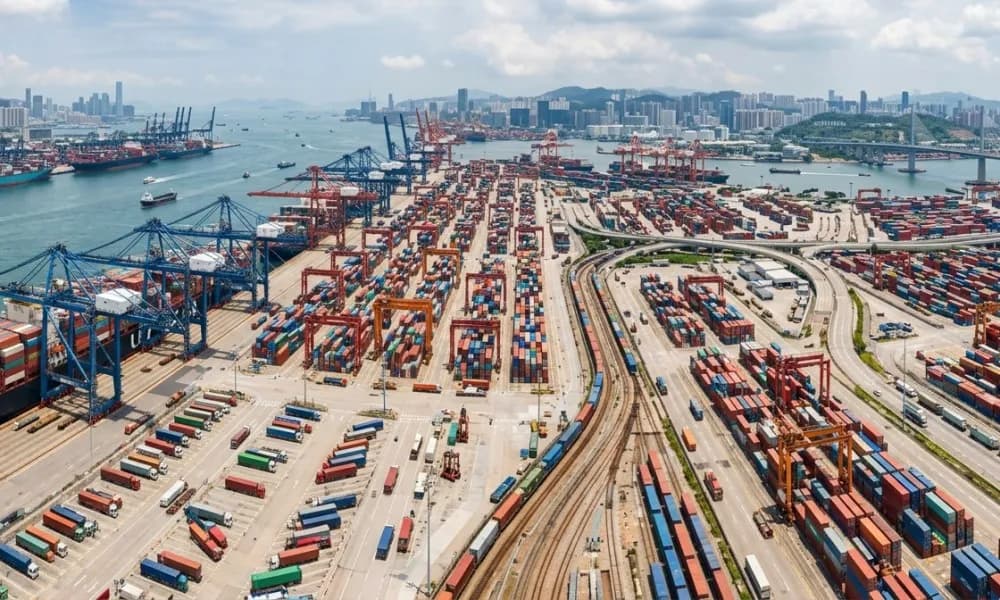
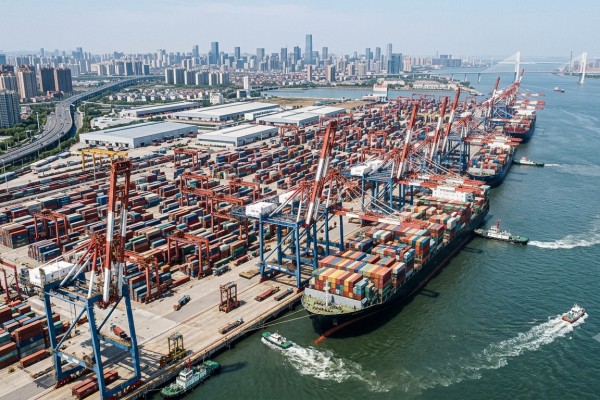
China, for example, has made significant investments in its ports industry, which have produced unmatched efficiency for its trade-oriented economy.
However, a recent World Bank analysis warns of growing systemic flaws impacting maritime transportation throughout the Pacific.
By 2040, Asian Ports Will Need $12B Annually
Capacity expansion in the port sector, for example, must maintain pace with the region's maritime sector entering a new era of development. The region's container commerce is expected to rise at a four per cent yearly rate, necessitating the expansion of Asian ports to handle 300 million TEUs by 2040.
To accommodate such cargo volume, the bank forecasts that ports will need to invest $90 billion in additional handling capacity, equivalent to $6 billion per year.
Moreover, the annual port investment requirements are projected to reach $12 billion if new dry bulk and liquid capacity is taken into account. The ASEAN-5 (Indonesia, Malaysia, Philippines, Singapore, and Thailand) will make up around 25% of the total, while China will make up roughly 65%.
Particularly, ports in developing Pacific nations will require significant investment in alternative fuel storage, bunkering, and safety measures as the global maritime industry works toward decarbonisation. Three investment options were evaluated by the bank through 2040.
Ageing Fleets Heighten Asia-Pacific Maritime Risks
The primary scenario, which aims to establish the alternative fuels value chain throughout the region, will cost $1.2 billion. Additionally, there is the domestic scenario, which will cost roughly $500 million and focus on targeted investments in specific domestic ports, particularly those that have regional hub status.
However, the Asia-Pacific region is also concerned about worsening maritime safety, despite the region's efforts to align with global decarbonisation goals. The ageing domestic and regional marine fleet has contributed significantly to this problem.
In many Southeast Asian nations, ferries, coastal cargo ships, and interisland vessels are typically older than thirty years. The Asia-Pacific fleet, which trades worldwide and is the newest and most technologically advanced, is less affected by this: In this sector, around 70% of the boats were constructed in 2010 or after.
Renewing the domestic and regional fleet—which is presently dominated by small carriers with fewer than ten vessels—is the main goal. In addition to the ageing fleet, the region's short-sea shipping also makes use of repurposed vessels that weren't built for their current service profile.
Asia-Pacific Fleet Renewal Strategy: $97B
According to World Bank estimates, replacing the regional fleet will cost roughly $97 billion, plus an additional $14.5 billion if dual-fuel capability is implemented. However, without government incentives, it is unlikely that this level of investment in regional and domestic shipping will be made.
Furthermore, the survey indicates that fleet renewal is an economic opportunity for Asia-Pacific countries seeking to revive their own shipbuilding sectors.
An example is Indonesia, which produces only one million dwt of new tonnage annually despite having more than 340 shipyards. Purchasing new ferries and ro/ro ships on a large scale domestically might lower unit prices and produce steady demand.
Read more news:
- Oil Surpasses $100: A 'Perfect Hurricane' May Soon Cause a More Significant Shock
- China Launches Gravity-1 Rocket from Sea, Sets Nine Satellites in Orbit
- European Petrol Prices Rise on Fears the US-Iran War May Produce Winter Shortages