Oil Surpasses $100: A 'Perfect Hurricane' May Soon Cause a More Significant Shock
Rising geopolitical tensions and shipping disruptions are pushing oil prices higher, increasing pressure on global energy markets and fuel costs.
24/07/2026
Oil and Gas
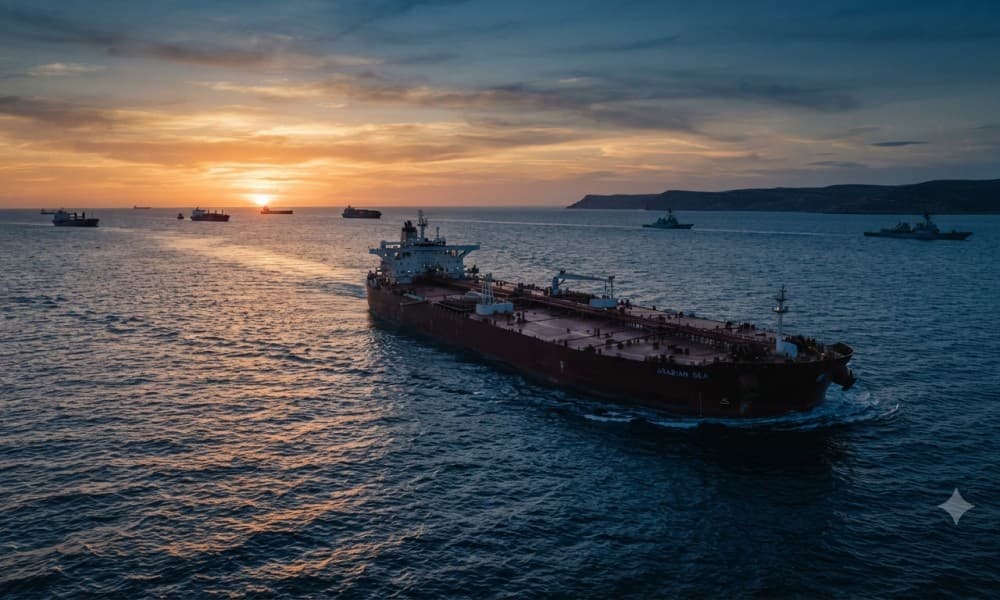
Oil prices have increased by over 30% in the last month, exceeding $100 per barrel, due to escalating US-Iran conflict in the Middle East, which jeopardises global energy supplies.
Additionally, attacks in the Red Sea are causing further disruptions to critical oil-shipping routes through the Strait of Hormuz, leading to heightened pressure on these corridors. The rise in oil prices indicates a broader trend of increasing costs beyond just oil.
According to analysts, shipping costs, alongside the costs for refining oil into fuel, are escalating at a rate surpassing that of crude oil prices. This trend poses a risk of increasing prices for diesel, jet fuel, and gasoline, particularly if the ongoing conflict continues.
Fuel Premiums Indicate Deeper Energy Strain
Notably, Asia Pacific head of macro strategy at Mizuho, Vishnu Varathan, cautioned that relying solely on spot crude prices can provide a misleadingly benign outlook on the market, as noted in his recent communication.
Refined-fuel premiums have experienced a significant increase, indicating that the current energy shock is much more intense than what the $100 Brent crude oil benchmark would typically imply.
As of early Friday, Brent crude oil futures were trading at approximately $98 per barrel, following their climb to the important $100 mark the previous day. In contrast, US West Texas Intermediate futures were around $90 per barrel.
Brent crude oil prices peaked at $126 a barrel in late April but have since retreated due to strategic oil stock releases, reduced demand, and a temporary US-Iran truce that alleviated supply concerns.
Recent turmoil has reignited these fears, leading to increased freight and insurance costs, thus raising the expenses associated with the global transportation of oil and fuel.
Besides, shipping costs are projected by Mizuho to increase from approximately $10 to $12 a barrel to a range of $15 to $20 a barrel, with potential pressure stemming more from fuel products derived from crude rather than from crude oil itself.
Fuel Markets Are Becoming Even Restrictive
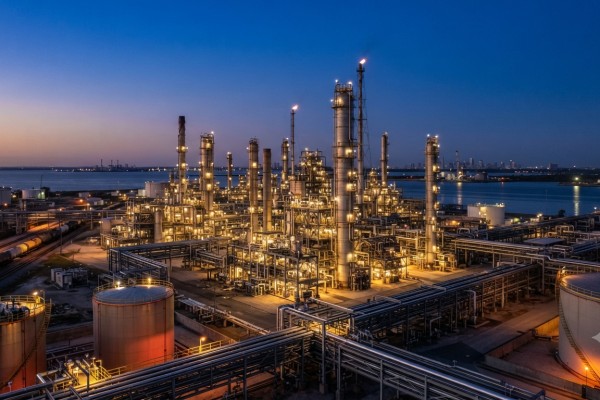
According to Varathan of Mizuho, diesel is effectively priced at over $180 a barrel, which has doubled from roughly $93 earlier this year, based on current oil pricing and refining profits. The refining premium for diesel alone has almost tripled to almost $80 per barrel.
ING's commodity strategists also mentioned the tightening of diesel supply, especially because Russia, the fuel's second-largest shipper in the world, is apparently considering expanding its export prohibition.
“The potential supply disruptions facing the market now are larger than at any time during the war,” the strategists stated.
The squeeze extends to natural gas.
According to Ellen Fraser, an energy expert and advisory partner at Baringa, the significant concern in comparison to previous attack phases is that stock levels are currently extremely depleted.
Further, Europe is experiencing unusually low gas storage levels ahead of winter, as noted by Fraser. Concurrently, the US has reduced its strategic oil reserves. While alternative crude supplies have stabilised the oil market to some extent, the prices of refined fuels—such as gasoline, diesel, and aviation fuel—are escalating more rapidly than crude oil.
This trend indicates increasing concerns about the availability of these refined products, leading Fraser to conclude that the market situation is tightening considerably.
Ultimately, the market's trajectory is more dependent on geopolitical stability than on oil fundamentals. Normalised Hormuz shipping and limited Houthi activity might lower costs, but rising US-Iran tensions may quickly increase the fear premium. Brent's surge reflects decreasing global energy redundancy, as both Hormuz and Bab el-Mandeb become major pressure points.
Read more news:
- China Launches Gravity-1 Rocket from Sea, Sets Nine Satellites in Orbit
- European Petrol Prices Rise on Fears the US-Iran War May Produce Winter Shortages
- Burnham to Become Prime Minister & Outline Ten-Year Plan for the UK