Burnham to Become Prime Minister & Outline Ten-Year Plan for the UK
Strong leadership is measured not by the moment of transition, but by the vision that follows.
20/07/2026
Diplomacy and Public Affairs
Prime Minister Keir Starmer is stepping down, and Andy Burnham, a former mayor of Greater Manchester, will take over, marking a major shift in power in UK politics. Burnham recently returned to the House of Commons to represent Makerfield.
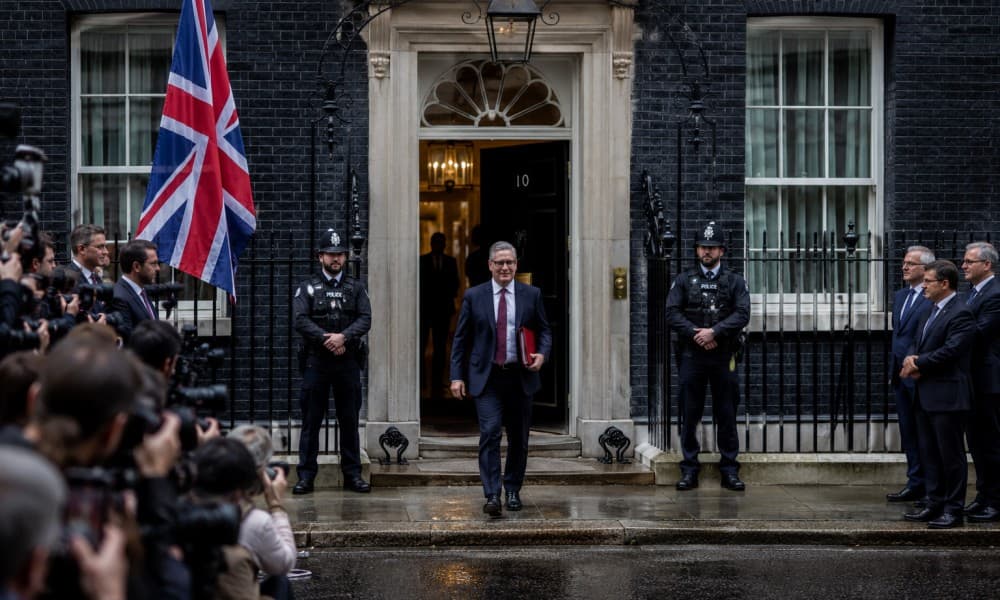
The event, which includes Starmer's farewell speech, his official resignation to King Charles III at Buckingham Palace, and Burnham's subsequent appointment as prime minister, has drawn the attention of the international press to Downing Street.
Notably, Burnham will give his first speech from Downing Street after the official handover and start selecting his cabinet.
Governance Philosophy & Strategic Vision
Before his appointment, Burnham presented a thorough '10-year plan' for the UK in an interview. He explained that this timeline is not a final declaration on the length of his premiership, but rather the scope of structural reform needed to address the nation's present problems.
Regarding fiscal policy, Burnham refuted claims that he was a natural taxpayer. Notably, he stated that the personal allowance, which is currently frozen at £12,570, would be reviewed. He pointed out that as wages rise, the freeze essentially acts as a covert tax on constituents.
Besides, he stressed that his approach to taxation would be pragmatic rather than rash, despite earlier indications that some small tax adjustments might be required. However, he refrained from making a firm commitment to lift the freeze—an initiative that carries high fiscal costs.
Socioeconomic Priorities & Domestic Involvement
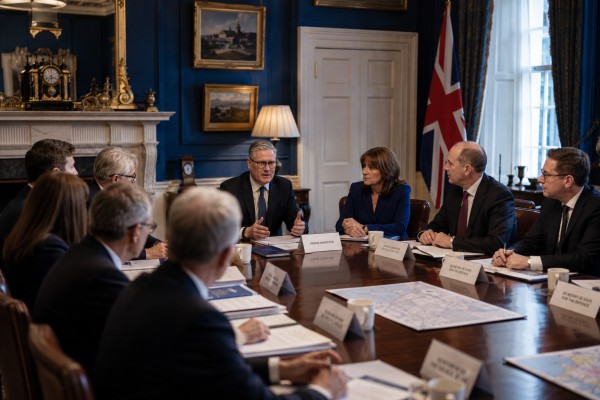
Burnham plans to go on a nationwide 'listening tour' in August after his appointment and the ensuing parliamentary break. Direct interaction with areas undergoing industrial transition and economic stagnation is one of the tour's main goals.
As part of the shift to sustainable steel production, the itinerary includes a visit to Port Talbot in South Wales, a community severely affected by the loss of 2,800 jobs following the closure of its last blast furnace for producing steel in September 2024.
Burnham's current legislative and policy agenda places a strong emphasis on lowering living expenses and reviving areas that have been economically neglected. Important components of this approach consist of:
- Infrastructure and Housing: To address deficiencies in current housing delivery targets, a significant council house building programme—positioned as the largest since the post-war era—will be started.
- Public Utility Reform: To address persistent environmental concerns about sewage management in national waterways, water utilities are subject to increased regulatory pressure and strategic interventions in public transportation.
Constitutional framework & political context
The workings of the UK parliamentary system have come to light following the mid-term transfer of the premiership without a concurrent general election. Instead of being a directly elected president, the prime minister is the head of the political party that holds a majority in the House of Commons, according to constitutional conventions.
Thus, opposition parties have contested Burnham's mandate, citing his most recent by-election return to Parliament. In response, Burnham and his allies insist that the administration will follow the more expansive policy pledges outlined in the party's 2024 election platform.
Although the Prime Minister has the option to call a general election earlier, the administration is legally required to hold one by August 15, 2029.
Royal Assent & Institutional Continuity
After Liz Truss, Rishi Sunak, and Keir Starmer, Burnham is the fourth prime minister to serve during King Charles III's reign since 2022, marking a period of increased political turnover. The constitutional process is still very regimented: before meeting Burnham at Buckingham Palace, the King will have one last private audience to accept Starmer's resignation.
Officially, the monarch will invite Burnham to form a new government through the customary handshake ceremony, ensuring the state's institutional continuity amid a change in leadership.
Read more news:
- Google Now Allows You to Directly Add Your Favourite Apps to AI Mode
- Hormuz Delays Put Sulfur-Laden Bulkers at Risk for Corrosion
- The UN Cautions that the Rapid Deployment of AI Could Exacerbate Global Inequality